If you want to understand why Thailand remains a cornerstone of the global food supply chain, we need to look at how the "Kitchen of the World" has transitioned from a government slogan into a sophisticated, policy-driven industrial powerhouse. For investors looking at Southeast Asia, the Thai food industry offers a rare combination of raw […]


If you want to understand why Thailand remains a cornerstone of the global food supply chain, we need to look at how the "Kitchen of the World" has transitioned from a government slogan into a sophisticated, policy-driven industrial powerhouse. For investors looking at Southeast Asia, the Thai food industry offers a rare combination of raw material security, advanced manufacturing infrastructure, and aggressive government incentives that few neighboring markets can match. While many see Thailand simply as an exporter of rice and fruit, the real value lies in its transition toward high-tech processing and functional foods.
What You'll Find:
- Analysis of Thailand's strategic shift from raw agricultural production to high-margin food processing.
- Data-driven insights into the $39 billion export engine and its regional advantages over competitors.
- A deep dive into the government incentives and BOI support structures that lower entry barriers.
- Identification of high-growth segments including ready-to-eat meals, pet food, and functional foods.
- Practical frameworks for market entry, cost modeling, and navigating the local regulatory landscape.
Introduction to Thailand as the Kitchen of the World Economy
The Thailand food processing industry is not merely a sector of the economy; it is a primary economic engine. Thailand has successfully positioned itself as a global hub for food manufacturing by leveraging its natural fertile land and geographic location in the heart of Southeast Asia. According to the Thailand Board of Investment (2024), the nation has consistently ranked among the world's top exporters of processed agricultural products, with total food exports reaching approximately $39 billion annually. This dominance is the result of a long-term, state-backed strategy to move beyond basic farming into complex, value-added production.
Why Thailand dominates global food exports beyond branding
The "Kitchen of the World" policy is a comprehensive framework that integrates agricultural production with international food safety standards. Unlike many emerging markets that focus solely on volume, Thailand has invested heavily in product quality and technology. According to the U.S. Department of Agriculture (2025), Thailand is a global leader in the export of canned tuna, processed pineapple, and various rice products. For investors, this means entering a market with a pre-established reputation for reliability and a massive network of existing trade agreements that facilitate access to international markets like the European Union and China.
What makes Thailand unique compared to Vietnam and Indonesia
While Vietnam and Indonesia offer large labor pools, they currently lack the processing maturity found in Thailand. The Thai food industry benefits from a highly integrated supply chain where food manufacturers are often located in close proximity to specialized industrial clusters. This cluster approach reduces logistics costs and ensures that raw materials move from farm to factory with minimal waste. Additionally, Thailand's logistics infrastructure, ranging from deep-sea ports to a sophisticated cold chain, gives it a distinct edge in maintaining the quality of perishable food products intended for global distribution.
How this guide helps investors identify real opportunities
Identifying profitable entry points requires moving beyond surface-level data. The goal for any prospective investor should be to find the gap between traditional processing and emerging consumer demand. This guide provides a decision-making framework that analyzes the Thailand food processing industry through the lens of ROI, scalability, and risk mitigation. By understanding the interplay between local agricultural resources and global market trends, you can position your business to capture value in one of the world's most resilient food sectors.
Why Thailand Food Processing Industry Attracts Global Investment
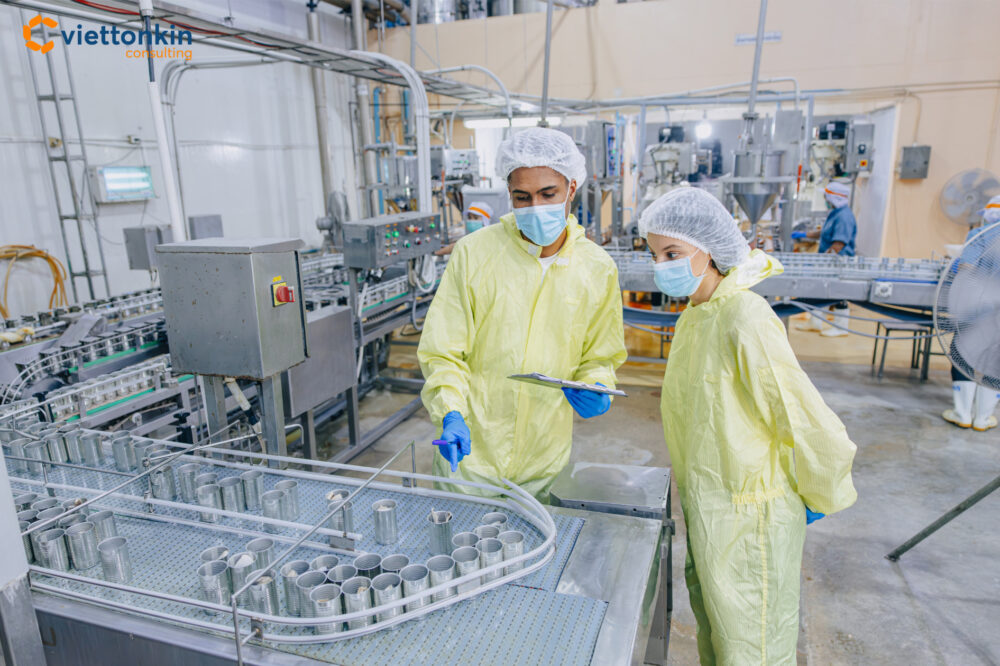
The primary reason global capital continues to flow into the Thai food processing industry is the significant margin disparity between raw exports and processed goods. For example, exporting raw poultry offers razor-thin margins and high sensitivity to commodity price swings. However, converting that same poultry into ready-to-eat meals or specialized functional food ingredients allows companies to capture significantly higher value. According to Krungsri Research (2024), the shift toward convenience and health-conscious products has become a primary driver of profitability for leading Thai food companies.
Transformative insight: why processing beats raw agriculture margins
In the current global economy, raw material security is a competitive advantage. Thailand's abundance of tropical fruits, seafood, and vegetables provides a stable foundation for food manufacturing. The transformative insight for investors is that Thailand's infrastructure allows for the "fractionation" of agricultural products. Instead of selling a whole coconut, manufacturers are now producing high-value coconut products like coconut water, milk, and even vegan leathers. This diversification stabilizes revenue and insulates businesses from the volatility typically associated with the agricultural sector.
Government incentives and BOI support for food processing
The Thailand Board of Investment (BOI) provides some of the most competitive investment packages in the region. According to the BOI Investment Promotion Guide, companies involved in high-technology food processing, such as "Future Food" including plant-based proteins or medical food, can qualify for corporate income tax exemptions for up to 8 years. Furthermore, these incentives often include the right to 100% foreign ownership and permission to own land for industrial purposes, which are critical factors for international firms seeking long-term stability in Southeast Asia.
Export infrastructure and trade agreements advantage
Thailand's food retail sector and manufacturing base are supported by a robust network of Free Trade Agreements (FTAs). With 14 FTAs currently in place with 18 countries, including the RCEP (Regional Comprehensive Economic Partnership), Thai-made food products enjoy reduced or zero tariffs in major consumer markets. The country's Ministry of Commerce has been proactive in aligning food safety standards with global requirements, ensuring that "Made in Thailand" labels are synonymous with international quality benchmarks.
Realistic expectations on entry barriers
While the opportunities are vast, investors must account for realistic challenges. Labor costs in Thailand are higher than in Vietnam or Cambodia, and the country's aging population is leading to labor shortages in manual processing roles. Furthermore, compliance with environmental, social, and governance (ESG) standards is becoming mandatory for those exporting to the European Union. Investors should prioritize automation and sustainable packaging solutions early in their capital expenditure planning to remain competitive as the industry evolves.
Thailand Food Processing Industry Value Chain Breakdown
Understanding the operational flow of the Thai food processing industry is essential for optimizing supply chain efficiency. The system is divided into three distinct segments: upstream (raw materials), midstream (processing and packaging), and downstream (distribution and export). Unlike many markets where these segments are fragmented, Thailand has created "Food Innopolis" zones, specialized science parks that provide R&D support and testing facilities to food manufacturers of all sizes.
Upstream supply strength: agriculture and raw material security
The foundation of the industry is Thailand's diverse agricultural production. The country is a top producer of rice, sugar, and cassava, which serve as essential raw materials for processed foods and beverages. According to the USDA Food Processing Ingredients Annual Report (2025), the reliability of this supply is a key factor that attracts dairy products and snacks manufacturers who require consistent inputs for high-volume production. This security allows companies to maintain lean inventories while ensuring production uptime.
Midstream processing clusters and industrial zones
Midstream operations are concentrated in specific regions like Samut Sakhon for seafood and the Eastern Economic Corridor (EEC) for high-tech manufacturing. These clusters provide shared services, specialized labor, and streamlined waste management. For investors, setting up within these zones offers immediate access to a network of suppliers for everything from industrial sauces to sustainable packaging solutions. The synergy within these clusters often leads to lower operational costs through shared logistics and procurement power.
Downstream distribution: export networks and global reach
The downstream segment is characterized by a sophisticated food retail sector and world-class export logistics. Thailand's major food companies have established deep roots in international markets, providing a blueprint for new entrants. The rise of e-commerce has also transformed domestic sales, with a growing demand for packaged foods and ready-to-eat meals delivered via digital platforms. From a practical standpoint, this means that an investor's go-to-market strategy can leverage both traditional retail shelf space and high-growth digital channels.
High-Growth Segments Investors Should Target in Thailand
If you are looking for specific niches with high ROI potential, the focus should be on sectors that align with changing consumer lifestyles and global health trends. While traditional commodities remain steady, the real growth is in segments that require specialized technology and formulation.
Processed seafood and poultry: the export heavyweights
Thailand remains one of the world's most efficient producers of processed protein. As global demand for affordable protein increases, Thai food manufacturers have pivoted toward value-added products like pre-marinated meats and specialized cuts for the foodservice industry. According to the BOI Why Thailand Webinar (2026), seafood remains a cornerstone of the country's GDP, with a strong emphasis on maintaining food safety and traceability to satisfy stringent international market requirements.
Ready-to-eat and convenience foods
The urbanization of Southeast Asia has led to a surge in purchasing power and a shift in dietary habits. According to Krungsri Research's Ready-to-Eat Food Outlook (2026 to 2028), the ready-to-eat food market in Thailand is expected to grow significantly between 2026 and 2028, driven by the expansion of 24-hour convenience stores and a growing solo dining culture. This segment offers excellent opportunities for investors specializing in frozen food technology and nutritious, shelf-stable packaging.
Functional foods and health products
The wellness trend has arrived in Thailand, creating a high-growth niche for functional foods. Products that offer specific health benefits, such as low-sugar beverages, high-fiber snacks, or plant-based proteins, are seeing rapid adoption among health-conscious consumers. According to the USDA Exporter Guide (2025), the organic and nutritious food segments are currently underserved in terms of diverse product offerings, presenting a clear opening for international brands with established formulations.
Cost Structure and Profit Drivers in Thailand Food Processing
Managing profitability in the Thailand food processing industry requires a nuanced understanding of local cost drivers. While labor is no longer cheap by regional standards, the productivity and skill level of the Thai workforce often result in a lower total cost of quality compared to neighboring countries.
Labor costs and automation trends
To combat rising wages and labor shortages, many Thai food manufacturers are aggressively investing in automation and value-added technology. This transition shifts the focus from cost per hour to yield per unit. Investors who bring proprietary automation or IoT-based supply chain management systems will find themselves at a significant advantage, often qualifying for higher-tier BOI incentives focused on digital transformation. The BOI Investment Promotion Guideoutlines specific merit-based criteria under which technology-driven food processing projects can access enhanced incentive packages.
Raw material pricing and seasonal volatility
Dependency on agricultural production means that seasonal fluctuations can impact margins. For instance, the price of tropical fruits or seafood can vary based on weather patterns or global demand cycles. To mitigate this, successful companies often enter into long-term contract farming agreements or invest in advanced processing techniques that allow for longer storage of raw materials without loss of quality.
Certification and compliance costs
To access the global market, manufacturers must invest in international certifications such as HACCP, GMP, and Halal. According to the USDA Food Processing Ingredients Annual Report (2025), Thailand is a global leader in Halal food production, which opens doors to significant markets in the Middle East and Indonesia. While these certifications represent an upfront cost, they are mandatory passports for any export-oriented business and should be factored into the initial investment budget.
Market Entry Strategies for Investors Expanding into Thailand
Choosing the right entry path is just as important as choosing the right product. The Thai market offers several models, each with distinct trade-offs in terms of control, capital expenditure, and speed to market.
Joint ventures versus wholly foreign-owned businesses
Many investors opt for Joint Ventures (JVs) with established Thai food companies to gain immediate access to local distribution networks and regulatory familiarity. However, if your business relies on highly proprietary technology or specialized functional food formulations, a wholly foreign-owned entity under BOI promotion may be preferable to maintain total control over intellectual property. The BOI promotion framework explicitly supports 100% foreign ownership for qualifying food technology projects.
Partnering with local suppliers to reduce risk
Establishing a manufacturing base is a major commitment. A low-risk entry strategy involves partnering with existing Thai food manufacturers for Original Equipment Manufacturing (OEM). This allows you to test the market with your brand while leveraging the product quality and food safety systems already in place at a local facility. Once a sales baseline is established, you can then transition to building your own manufacturing plant.
Setting up manufacturing versus outsourcing production
A decision matrix for this choice usually hinges on scale. If your target is the global market and high-volume export, building a dedicated facility in an industrial zone like the EEC is often the most cost-effective long-term move. According to Nation Thailand (2025), Thailand's food sector investment pipeline continues to expand, with new industrial estates actively courting foreign manufacturers in the processed food and functional ingredients space. If your target is the domestic Thai food retail sector or specialized niches like pet food or organic snacks, outsourcing might provide the flexibility needed to iterate on product formulations based on local consumer demand.
Risks, Challenges, and Future Outlook of Thailand Food Industry
The long-term success of an investment in Thailand's food sector depends on a clear-eyed view of emerging risks. Innovation, not just scale, will determine the winners of the next decade.
Labor shortages and rising wages
As Thailand moves toward higher-income status, the pool of manual labor is shrinking. This trend is forcing the industry to adopt Industry 4.0 standards. For investors, your competitive edge must come from technology, efficiency, and superior branding rather than just low-cost assembly.
Climate change and supply chain disruptions
Being an agricultural-based industry, the sector is vulnerable to climate-related disruptions. Water management and sustainable farming practices are becoming critical operational issues. Companies that integrate sustainable packaging solutions and transparent, ethical sourcing will be better positioned to meet the demands of environmentally conscious consumers in the European Union and North America.
The rise of alternative proteins and future foods
The future of the Thailand food processing industry lies in Food for the Future. This includes plant-based proteins, insect-based ingredients, and personalized nutrition. According to the BOI Investment Promotion Guide, the government is positioning Thailand to be a regional leader in these areas, offering specialized support for R&D under the Future Food category. Krungsri's broader industry outlook for 2026 to 2028 further confirms that alternative proteins and health-oriented food segments represent the highest growth trajectory for investors entering Thailand's food processing sector over the next three years. Investors who enter these niches now will be at the forefront of a global shift in how food is produced and consumed.
Read more: Thailand Business Setup Costs: The Real Cost of Starting a Company for Foreign Entrepreneurs