If you want to understand why Thailand is emerging as a global leader in sustainability, you need to look at how the country is reimagining its massive agricultural output. Most people see Thailand as a top exporter of sugar and cassava, but the data shows something different: a structural shift where these raw materials are […]


If you want to understand why Thailand is emerging as a global leader in sustainability, you need to look at how the country is reimagining its massive agricultural output. Most people see Thailand as a top exporter of sugar and cassava, but the data shows something different: a structural shift where these raw materials are no longer just commodities, but the foundation for a high-value biochemical and bioenergy industry. The BCG model leverages the country's strengths in biodiversity and cultural richness, and focuses on sectors such as agriculture, food, and the creative economy to drive sustainable growth.
What You'll Find:
- Transformation of raw materials into high-value biochemicals
- Policy incentives behind the Thailand BCG economy
- Growth projections for the agricultural sector and bioplastics
- Entry strategies for foreign investors via the BOI
- Future outlook for the innovation-driven economy
What Makes Thailand Bioeconomy a Strategic Investment Opportunity
The relationship between Thailand's agricultural heritage and its industrial future is more complex than a simple trade relationship. The agriculture sector employs one third of Thailand's workforce but contributes only 8% of GDP, highlighting the need for transformation to boost productivity and competitiveness.
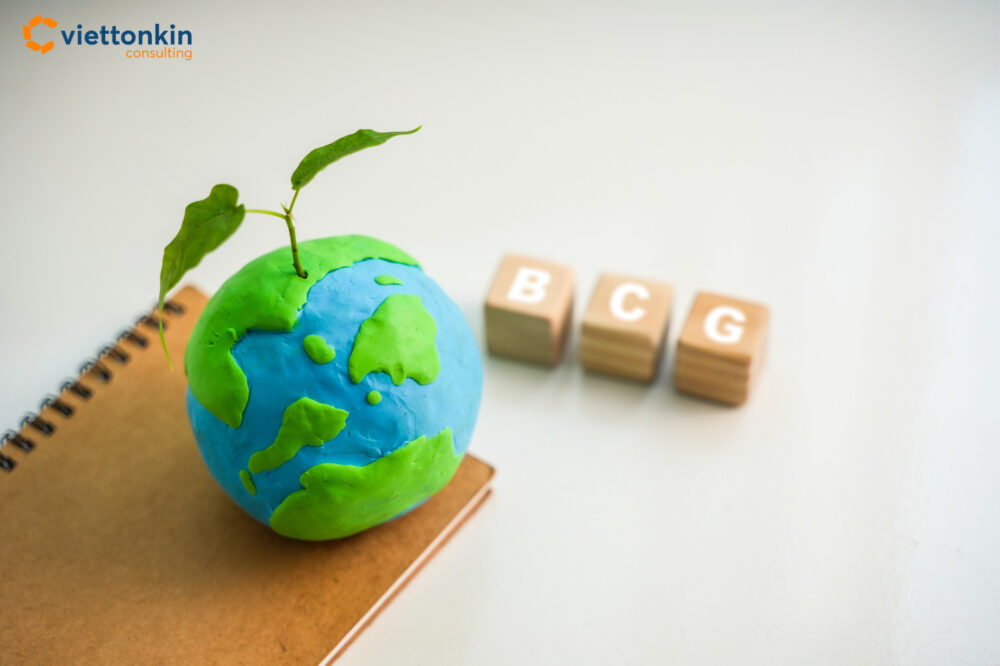
Under the Thailand BCG economy (Bio-Circular-Green) model, the government has prioritized sectors that turn biological resources into high-value products through science and technology. Science, technology, and innovation are employed to enhance the capacity and competitiveness of players in the value chain across the four core industries in the BCG model.
Thailand's BCG model and why it matters for investors
The BCG model is not just a buzzword; it is a national strategy designed to build capacity and promote sustainable growth. It is a central pillar of Thailand's national agenda and embodies both the Thailand 4.0 policy and the National Strategy (2018 to 2037). For you as an investor, this means your capital aligns with a policy-backed roadmap that enjoys significant support from the Thai government. The BCG model aligns with the UN Sustainable Development Goals (SDGs) and Thailand's Sufficiency Economy Philosophy, supporting sustainable development. According to the Board of Investment (2024), the BCG model leverages the country's strengths in biodiversity and agricultural production to create a value-based economy.
The economic scale behind bioeconomy growth
The economic scale is substantial. These four industries have a combined economic value of 3.4 trillion THB, accounting for 21% of Thailand's GDP. Research from Krungsri (2025) indicates that the agricultural sector and related bio-industries contribute approximately one-fifth of Thailand's GDP. This massive footprint provides a stable foundation for scaling new technologies. If you look at the government's vision, the goal is to enhance competitiveness by moving away from low-margin exports toward premium products like medical supplies and specialty chemicals.
The BCG model is expected to increase the economic value of its target sectors from 3.4 trillion THB to 4.4 trillion THB in five years, raising their share to 24% of GDP.
Thailand Raw Material Advantage Fueling Bioeconomy Growth
Thailand's primary competitive edge lies in its year-round agricultural output. According to the FAO (2023), food products are a major export and economic driver for Thailand, with the country recognized globally for high-quality, safe, and eco-friendly offerings.
While other regions struggle with seasonal volatility, the Thai agricultural sector maintains a consistent supply of feedstock. The abundance of nature and a healthy environment are crucial for supporting sustainable economic development, making conservation essential to balance resource use and protection for long-term benefits.
Sugar and starch as foundations for biochemical industries
Sugar and cassava are the pillars of the Thailand bioeconomy. According to Krungsri's Cassava Industry Outlook (2025 to 2027), Thailand is one of the world's largest exporters of cassava products, which are now being diverted into the production of ethanol and bioplastics. For investors, this vertical integration reduces the risk of supply chain disruptions because the raw materials are grown locally.
Biomass and agricultural waste powering bioenergy markets
The circular economy aspect of the BCG model focuses on sustainable utilization of waste. Recycling plays a crucial role in this approach by promoting the reuse and regeneration of natural resources, helping to eliminate pollution and extend the lifecycle of products and materials. Rice husks, palm residues, and sugarcane bagasse are no longer treated as waste. Instead, they are being converted into bioenergy. In addition to bioenergy, the BCG economy emphasizes the use of renewable sources, aiming for a 30% renewable energy target by 2036 and aligning with the UN Sustainable Development Goals. This transformation allows industrial zones, particularly in the Eastern Economic Corridor, to operate with a higher degree of energy independence and lower carbon footprints.
Why raw materials outperform traditional industrial inputs
If we break down the investment logic, raw materials offer a sustainability compliance advantage that petroleum-based inputs cannot match. As global demand for ESG-aligned products rises, Thailand's ability to provide traceable, bio-based materials attracts international capital looking for long-term stability in a green economy.
High-Growth Investment Sectors in Thailand Bioeconomy
If you are evaluating where to deploy capital, three specific sub-sectors stand out for their ROI potential and scalability.
Biochemicals and bioplastics as export-driven industries
The shift toward bioplastics is one of the most significant trends in the region. According to the Asian Development Bank (2024), Thailand's surplus of agricultural feedstocks makes it a natural hub for bioplastic manufacturing, particularly for polylactic acid (PLA). As global regulations tighten on single-use plastics, Thai-based manufacturers are well-positioned to capture the international market.
Bioenergy and renewable fuels market expansion
The bioenergy sector is expanding beyond simple ethanol blending. Investors are now looking at advanced aviation fuels and renewable diesel. The BOI Investment Promotion Guide outlines specific tax incentives for projects that utilize agricultural waste for energy, ensuring that the transition to a low-carbon society is also a profitable one.
Agri-tech and processing innovation opportunities
There is a growing gap for advanced technology in smart processing. If you can provide solutions that increase the yield of extraction from raw materials or turn waste into high-value nutrients, the market is ready for implementation. This convergence of science and agriculture is what transforms a traditional farming economy into an innovation-driven economy.
How Investors Can Enter Thailand Bioeconomy Market
Entering a new market requires a clear understanding of the local ecosystem and the available support structures.
Entry strategies for foreign investors
The most common path for success is through the Board of Investment (BOI). According to the BOI Investment Promotion Guide, qualifying bioeconomy projects can receive corporate income tax exemptions for up to 13 years, alongside duty exemptions on imported machinery. Exploring joint ventures with established local producers who already have deep roots in the agricultural supply chain is strongly recommended as a starting point.
Building partnerships across supply chains
Successful implementation involves more than just building a factory; it requires integrating with local communities. By following the Sufficiency Economy Philosophy, which emphasizes balance and moderation, investors can build more resilient partnerships with Thai farmers. This ensures a consistent supply of materials while promoting social sustainability.
Risk factors and how to mitigate them
While the outlook is positive, you must account for commodity price fluctuations. To mitigate this, many investors are moving toward value-added products where the margins are less sensitive to the base price of sugar or cassava. Krungsri's cassava industry outlook notes that producers who have shifted toward downstream processing and specialty starch derivatives have demonstrated significantly more stable margin profiles compared to those relying on raw export volumes. Additionally, choosing locations within the Eastern Economic Corridor (EEC) provides access to superior infrastructure and logistics services.
Future Outlook: Why Thailand Bioeconomy Is a Long-Term Growth Engine
The landscape of Southeast Asian industry is changing, and Thailand's move toward a bio-circular economy is a structural shift, not a temporary trend. The BCG model promotes inclusive and sustainable growth by leveraging Thailand's biodiversity and cultural richness, and has developed the country's capacity for eco-friendly manufacturing, enhancing its global standing and ability to meet international trade regulations.
Global demand for sustainable materials driving growth
As multinational corporations commit to carbon reduction goals, they are searching for suppliers who can provide bio-based materials at scale. Thailand's established value chain and logistical connectivity make it the logical choice for these partnerships. According to the BOI's latest investment briefing, the evidence points to a continued increase in foreign direct investment specifically targeting green industries, with BCG-related sectors among the top five priority categories for incoming capital.
Innovation and R&D strengthening competitive advantage
The National Science and Technology Development Agency is actively collaborating with the private sector to bridge the gap between research and commercial application. This ensures that Thailand remains at the forefront of biotechnology utilization in the region. The FAO's analysis of Thailand's agricultural transformation further confirms that the country's investment in food system innovation and sustainable production practices is creating a growing pool of skilled talent and specialized knowledge for incoming investors to leverage.
Final takeaway for investors
If you view Thailand simply as an agricultural exporter, you are missing the real opportunity. The country is successfully reframing itself as a resource-to-value economy. Krungsri's broader Thailand Industry Outlook for 2025 to 2027underscores that bio-based industries are among the fastest-growing segments in the national economy, driven by both domestic policy support and rising international demand for sustainable inputs. By securing an early-mover advantage in the bioeconomy, you are not just investing in a sector; you are investing in the future of sustainable global trade.
You might also like: Thailand Outward FDI Trends: Opportunities for Investors Expanding into ASEAN