

As traditional real estate yields continue to compress globally, institutional investors and asset allocators are aggressively shifting capital toward industrial assets. The acceleration of global supply chain shifts, driven by geopolitical tensions and the “China Plus One” strategy, has transformed industrial parks from niche infrastructure plays into core investment vehicles.
Vietnam’s strategic positioning and supportive government policies have elevated the country as a prime destination for industrial investment. Industrial parks play a crucial role in attracting investment and driving economic growth, serving as strategic tools for both foreign and domestic investors. They are specifically designed to attract investment, create jobs, and boost exports by providing necessary infrastructure and services. This guide provides a data-driven framework to evaluate profit potential and risk, with a specific focus on the burgeoning industrial landscape in Vietnam.
Introduction to Industrial Development
Industrial development plays a vital role in accelerating a nation’s economic growth, and Vietnam stands out as a prime example of this dynamic. Over the past decade, Vietnam has strategically positioned itself as a magnet for both domestic and foreign investment by fostering a robust industrial ecosystem. The Vietnamese government has been proactive in driving industrial development through a combination of forward-thinking policies and targeted incentives. These include attractive corporate income tax breaks, streamlined investment procedures, and significant investment in infrastructure development, ranging from modern highways to advanced logistics hubs.
A key factor behind Vietnam’s industrial success is its skilled workforce, which provides a competitive edge for businesses seeking efficiency and innovation. The country’s strategic location in Southeast Asia, with proximity to major shipping routes and regional markets, further enhances its appeal for foreign investors. Vietnam’s commitment to sustainable development is evident in its promotion of priority sectors such as renewable energy and high-tech industries, ensuring that industrial growth aligns with global trends in sustainability and technology adoption.
By offering competitive costs, a supportive regulatory environment, and a focus on high-tech and renewable energy sectors, Vietnam’s industrial parks have become a cornerstone of the country’s economic development strategy. This integrated approach not only attracts foreign investment but also drives long-term economic growth and positions Vietnam as a leader among developing countries in industrial transformation.
Industrial Parks Overview
Vietnam’s industrial parks are at the forefront of the country’s rapid economic expansion, serving as key drivers of industrial growth and investment. With over 300 industrial parks strategically distributed across the northern and southern regions, these zones have become magnets for both domestic and foreign investors seeking opportunities in one of the world’s fastest growing economies.
The Northern Key Economic Region (NKER), encompassing provinces like Bac Ninh, Hai Phong, and Hanoi, has emerged as a powerhouse for industrial development. Parks in this region, such as the Tien Thanh Industrial Park, are renowned for their modern infrastructure, skilled labor force, and focus on high-tech industries. Meanwhile, the southern regions, including Ho Chi Minh City, are home to a dense network of industrial parks and export processing zones that cater to a diverse range of sectors, from electronics to food processing.
Vietnam is also leading the way in sustainable development through the creation of eco-industrial parks like Du Long Industrial Park. These parks integrate advanced technologies and circular economy principles to reduce production costs and environmental impact, making them especially attractive to international investors focused on sustainability.
The government’s ongoing efforts to enhance infrastructure development, simplify administrative procedures, and promote priority sectors have significantly improved the investment climate. As a result, Vietnam’s industrial parks offer competitive costs, ready-built factories, and a business-friendly environment that supports efficient operations and facilitates technology transfer. This comprehensive approach ensures that industrial parks in Vietnam remain a preferred destination for foreign investors and a catalyst for the country’s continued economic growth.
What Makes Industrial Parks a High-Growth Investment Asset
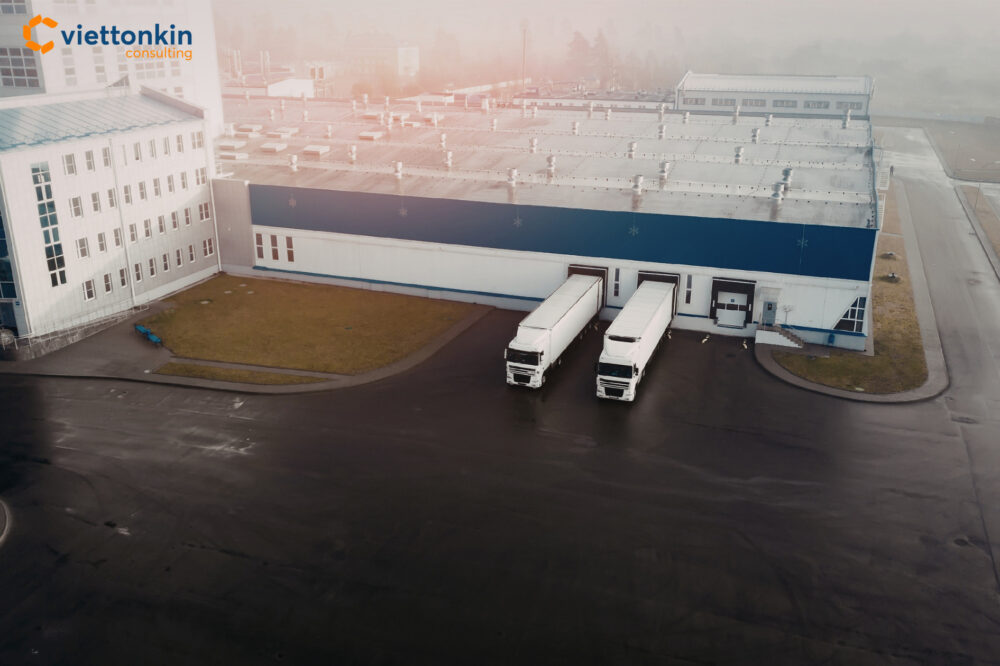
Industrial parks serve as the physical backbone of industrial production and economic expansion. Unlike standalone commercial assets, integrated industrial zones provide a centralized ecosystem where infrastructure, utilities, and logistics are optimized for scale. These industrial parks are designated industrial areas that facilitate a wide range of business operations, including production, manufacturing, and related services.
Additionally, industrial parks often feature one-stop-shop services for permits and customs, simplifying administrative procedures for tenants.
The Backbone of Economic Expansion
Industrial production depends on integrated zones to minimize friction. For investors, this concentration of infrastructure increases asset value stability. By pooling resources like high-voltage power grids, water treatment plants, and specialized waste management, industrial zones can improve operational efficiency for tenants by 20–30%, leading to higher tenant retention and stable rental growth. Industrial parks are specifically planned areas designed for industrial production and supporting services, providing additional infrastructure and amenities such as manufacturing support, processing facilities, and logistical assistance that facilitate industrial activities and attract investments.
Reshaping Global Investment Flows
We are witnessing a historic shift in capital allocation from traditional hubs like China toward Southeast Asia. Identifying early-stage growth markets versus saturated ones is the key to alpha. Investors are no longer just buying land; they are buying into the industrial growth trajectory of emerging economies where manufacturing as a percentage of GDP is on a steep upward curve.
Strategic Location and Asset Performance
Location is the ultimate determinant of occupancy rates. The average occupancy rate is a key performance indicator for industrial parks, reflecting their current utilization and attractiveness to investors. Proximity to deep-water ports, international airports, and arterial highways is non-negotiable. As of 2023, the average occupancy rate of industrial parks in northern Vietnam reached 80.2%, while in southern regions, including Ho Chi Minh City and Binh Duong, it was 81.9%. Vietnam’s industrial parks now cover a total area of more than 70,000 hectares. Strategic logistics proximity can reduce a tenant’s total operating costs by up to 15%, making parks in these “sweet spots” highly resilient during economic downturns.
Why Vietnam’s Industrial Parks Are Attracting Global Investment
Vietnam has emerged as a premier destination for Foreign Direct Investment (FDI), particularly in high-tech manufacturing and electronics. Vietnam’s industrial landscape is characterized by a vast network of industrial parks, which are distributed across 61 out of its 63 provinces.
A Hotspot for FDI
Vietnam’s industrial parks have seen a record surge in interest due to the country’s competitive labor costs, a vast network of Free Trade Agreements (FTAs), and remarkable political stability. FDI manufacturing inflows have maintained a consistent upward trend, even as regional neighbors experienced volatility.
Comparative Advantage in Southeast Asia
When comparing Vietnam’s industrial parks to those in Thailand or Indonesia, Vietnam offers a unique balance of cost-efficiency and scalability. While Thailand has a mature automotive sector, Vietnam’s agility in electronic manufacturing and its proximity to Southern China make it an ideal “plug-and-play” alternative for global giants like Samsung, LG, and Apple’s suppliers.
Supporting Rapid Industrial Growth
The proliferation of industrial zones in Vietnam is characterized by infrastructure readiness. The shift toward “Ready-Built Factories” (RBF) allows investors to achieve a faster time-to-revenue. By reducing the construction lead time for tenants, developers can command premium rents and ensure immediate occupancy.
How to Evaluate Profit Potential in Industrial Parks
Evaluating an industrial park requires a shift from traditional real estate metrics to a manufacturing-centric financial model. It is also crucial to understand the industrial sectors present in a park, as these sectors drive demand, influence infrastructure needs, and shape the park’s long-term profitability.
Investment incentives often include lower corporate income tax rates, tax exemptions, and lower land rental costs for companies in industrial parks, which can significantly enhance profit potential.
Key Financial Metrics
Investors should prioritize Yield per Hectare and Internal Rate of Return (IRR) over simple cap rates. The choice between a long-term land lease model (upfront cash flow) versus a factory rental model (recurring income) will significantly alter the risk-return profile.
Tenant Demand: The Core Driver
Profitability is inextricably linked to the quality of the tenant mix. Analyzing sector-specific demand such as the rise in semiconductor manufacturing or e-commerce logistics, allows investors to tailor their assets to high-growth industries that are less price-sensitive regarding rent. Identifying and targeting key industries within industrial parks is crucial, as these sectors often receive policy support and incentives, driving sustainable development and long-term value.
Infrastructure Quality and Returns
High-quality infrastructure is the greatest hedge against vacancy. Beyond roads and power, digital infrastructure (5G connectivity and smart park management) is becoming a requirement for Tier-1 tenants. High-quality, “green” certified infrastructure can increase occupancy rates by up to 25% compared to legacy industrial zones. Sustainable industrial parks, which are designed to promote environmentally responsible industrial development and support green growth, are increasingly important in attracting both tenants and investors.
Practical Evaluation Framework (Gap Fill)
To move beyond marketing claims, use this four-pillar decision system:
- Location Scoring: Distance to top-tier ports and labor pools.
- Demand Validation: Ratio of pre-committed tenants vs. speculative builds.
- Cost Structure: Evaluation of utility pricing and land-use fees.
- Exit Potential: Liquidity of the asset for secondary institutional buyers.
Additionally, consider the value of knowledge exchange among tenants and management, as effective collaboration and sharing of expertise can significantly enhance the overall performance and innovation within industrial parks.
Risk Analysis and Strategic Investment Framework
Investing in industrial parks is a game of long-term positioning, where the biggest risks are often regulatory rather than commercial. In Vietnam, industrial parks are developed and managed by both the government and the private sector, with private investors now playing a larger role in driving growth and innovation.
Overlooked Hidden Risks
The primary risks often involve regulatory shifts in land-use rights and delays in government-provided external infrastructure (e.g., a park is finished, but the connecting highway is delayed by two years). Local authorities play a crucial role in supporting infrastructure development and addressing regulatory risks, as their collaboration with businesses and communities can help mitigate such delays and uncertainties. These “last-mile” infrastructure failures can decapitate an investor’s IRR.
Balancing Risk and Return
Strategic diversification involves balancing “Mature Zones” (stable yields, lower growth) with “Emerging Zones” (higher risk, significant capital appreciation potential). Investors should seek projects where the developer has a proven track record of navigating local bureaucracy. Successful industrial park development in Vietnam often relies on collaboration between both the government and private sector, ensuring strong support and effective management.
Transformative Insights
- Insight 1: Supply Chain Dependency. Unlike residential real estate, industrial parks benefit from “sticky” demand. Once a manufacturer sets up a specialized production line, the cost of moving is prohibitive. This creates demand stability that is decoupled from typical real estate cycles.
- Insight 2: Scaling with Production. Industrial assets scale with the growth of the manufacturing sector. As a country’s industrial output increases, the value of the land zoned for that production increases exponentially due to scarcity. Industrial clusters, which are designated areas focused on small and medium-sized enterprises, play a key role in supporting scaling and specialization within industrial parks by fostering concentrated development and collaboration.
Conclusion
Industrial parks are no longer secondary assets; they are core vehicles for capturing global economic shifts. Vietnam, recognized as one of the world’s fastest growing economies, stands out for its strategic industrial development, with regions such as the Red River Delta, Da Nang, Quang Nam, and Hung Yen playing pivotal roles in driving industrial growth. The presence of robust supporting infrastructure including social housing, essential services, and reliable water supply, enhances the attractiveness and sustainability of these parks.
Vietnam’s industrial parks (Vietnam’s IPS) are key drivers of industrial growth and investment, supporting a diverse range of sectors including light industries. Economic zones and industrial parks not only facilitate technology transfer but also play a crucial role in the production and export of goods, further strengthening Vietnam’s position in global trade.
By applying a structured evaluation framework focusing on infrastructure quality, tenant demand, and macro-policy, investors can move beyond speculation. In the current landscape, the highest returns will go to those who treat industrial parks not just as real estate, but as essential nodes in the global supply chain.
You might also like: How Belgian Advanced Manufacturing Accelerates High-Tech Growth in Vietnam’s Smart Factories