icon fb blueicon linkedin blueicon call blueicon youtube blue

Indonesia Economic Explained: A Simple Guide for Beginners

Long Nguyen
Project Manager & Legal Counsel, Viettonkin Joint Stock Company
With over a decade of experience managing investment projects in construction and extensive legal expertise, Nguyễn Hoàng Long leads business planning, sales, and client relations at Viettonkin. As both Project Manager and in-house Lawyer, he ensures strategic, compliant, and client-focused solutions for FDI projects.
indonesia economic

Many people see headlines like “Indonesia’s economic growth is high,” but they don't truly understand what that means for their bank accounts. Economic data often feels like a maze of technical terms, trillions of rupiah, and complex charts that are hard to visualize.

The truth is, understanding the indonesia economic landscape isn't just for ministers or big shot CEOs. This article will explain Indonesia's economy in simple terms that are relevant to your real life. As the largest economic power in Southeast Asia, understanding how our economy works is your first step toward spotting better career and business opportunities.

Table of Contents

What Is Indonesia Economic and Why It Matters

What is "indonesia economic" in simple terms?

Think of Indonesia as a giant household. The indonesia economic report is essentially a record of how this "big family" makes money, spends it, saves it, and builds new things. When the numbers are good, it means the household is being productive.

The main structure of Indonesia's economy you need to know

Our economy is driven by three main pillars: what we buy (consumption), what we build (investment), and what we sell to other countries (exports).

Indonesia has a mixed economy with dirigiste characteristics and is classified as a newly industrialized country.

The central government and state owned enterprises play a significant role in shaping Indonesia's economic structure.

Why Indonesia’s economy is vital in Southeast Asia

Indonesia isn't just an archipelago; we are the "anchor" of the economy in Southeast Asia. Because of our massive size, our stability affects our neighbors. If Indonesia slows down, the entire region feels the chill.

Practical meaning for daily life

Unlike Wikipedia, which focuses on dry structures, we look at the practical side: a healthy economy means companies are brave enough to hire new people, banks find it easier to give out loans, and your money's purchasing power stays stable.

The Core Drivers Behind Indonesia Economic Growth

What is economic growth and how to read it?

Economic growth is the percentage increase in the value of goods and services produced by the country compared to the previous year. Two key measures are nominal GDP, which reflects the current market value of Indonesia’s gross domestic product without adjusting for inflation, and real GDP, which adjusts for inflation to show actual growth over time. These indicators are important for understanding Indonesia's economic performance and global ranking.

Indonesia's nominal GDP is projected to reach USD 1,398 billion in 2024. Real GDP is projected to grow by 5.0% in both 2025 and 2026, before picking up to 5.1% in 2027. The Indonesian economy is expected to grow by 5.0% in both 2025 and 2026, supported by low inflation and easing financial conditions.

If it grows by 5%, it means our country is “5% richer” than it was last year.

The main factors behind Indonesia’s growth

There is one big secret: Indonesia isn't a country that relies solely on exports like China. Our main engine is domestic consumption.

Domestic consumption as the primary engine

About half of our economy is powered by private consumption from buying coffee at a local cafe and grocery shopping to traveling for the holidays. Private consumption constitutes about two thirds of Indonesia's economic activity. This is what makes Indonesia relatively resilient when the global economy is in chaos.

The role of investment and exports

Besides citizen spending, the government relies on foreign investment (new factories, infrastructure) and selling commodities abroad to fill the national coffers.

Transformative Insight #1:
Most beginners think Indonesia is wealthy because of what we sell abroad. In reality, our true strength lies in our massive, consumption hungry population. As long as Indonesians keep shopping, the economy has a strong safety net.

Key Sectors That Shape Indonesia's Economy

The main sectors you should know

Not every sector has the same impact. Agriculture, manufacturing, industry, and trade are the backbones of the nation. In Indonesia's domestic economy, the agricultural sector contributes approximately 12-14% of GDP (with some estimates at 14.43%) and remains essential for employment and food security, employing about 49 million people or 41% of the total workforce. The manufacturing industry contributes 20% of GDP and employs over a fifth of the working age population, around 25 million workers. The services sector accounts for nearly 50% of Indonesia's GDP, while the construction sector contributes 9.92% to GDP. Indonesia's economic structure also includes a significant presence of micro, small, and medium sized enterprises, which together account for about 60% of GDP and are crucial for employment and economic resilience. Medium sized enterprises, in particular, play a vital role as the backbone of Indonesia’s economic activity and development.

Manufacturing and its contribution

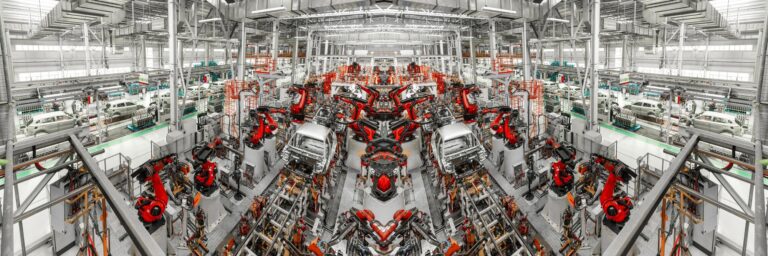
From car factories to instant noodle plants, manufacturing is a massive employer that turns raw materials into high value products.

Local content requirements in manufacturing help support domestic industry and job creation, as they encourage the use of locally sourced materials and components.

The growing services and digital economy

Ever used a ride hailing app or shopped on a marketplace? That is part of the service and digital economy sector, which is currently the fastest growing part of Indonesia's economy.

The massive role of palm oil

We cannot talk about the Indonesian economy without mentioning palm oil. Indonesia is the world's number one player in this sector, which brings in huge amounts of foreign currency.

Indonesia Economic Position in Southeast Asia

Indonesia compared to other Southeast Asian nations

In the “ASEAN group chat,” Indonesia is the “big brother” in terms of economic volume. Thanks to its strategic location between the Indian and Pacific Oceans, Indonesia is positioned near major economies like India and China, making it a key player in regional supply chains and international trade networks. Indonesia is also one of the largest economies in Southeast Asia and ranks as the 17th largest economy in the world by nominal GDP. Our economy is significantly larger than Singapore’s or Malaysia’s.

Comparison with Vietnam, Thailand, and Malaysia

While Vietnam might be faster in export manufacturing and Singapore more advanced in finance, Indonesia wins in terms of market scale and natural resources.

Why Indonesia is considered a rising economic power

The world sees Indonesia as "The Next Big Thing." With a growing middle class, global brands are rushing to sell their products here.

Transformative Insight #2:
While our economic size is the largest, our efficiency still needs improvement compared to neighbors like Thailand or Vietnam regarding the ease of doing business.

Data point:

  • Indonesia is the largest economy in ASEAN (accounting for roughly 35-40% of the region's total economy).

International Trade: How Indonesia Connects with the World

Indonesia’s economy is deeply intertwined with international trade, making it a key player in Southeast Asia’s largest economy. The Indonesian government has worked hard to strengthen trade ties and attract foreign investment, which has helped drive steady growth across the country. By opening up to global markets and encouraging export growth, Indonesia has positioned itself as a vital link in the regional and global economy.

Major export and import partners

Indonesia’s trade network spans the globe, but some countries stand out as especially important partners. China is Indonesia’s largest trading partner, both for exports and imports, followed closely by the United States, Japan, and Singapore. These relationships are crucial, as export revenues from these countries contribute significantly to Indonesia’s GDP growth. On the import side, Indonesia relies on China, Japan, Singapore, and South Korea for essential goods and technology, which help fuel the country’s ongoing growth and modernization.

Key products Indonesia trades

Thanks to its abundant natural resources, Indonesia is a major exporter of commodities like palm oil, coal, petroleum, and natural gas. These products are in high demand worldwide and form the backbone of Indonesia’s export economy. The country is also known for its agricultural exports, including rubber, cocoa, and coffee, which reach markets from Asia to Europe. When it comes to imports, Indonesia brings in machinery, electronics, and transportation equipment mainly from China and Japan to support its growing industries and infrastructure needs.

How trade shapes the economy

Trade is a driving force behind Indonesia’s economic growth, with exports making up a significant share of the country’s GDP. However, managing the trade deficit when imports outpace exports remains a challenge. In recent years, the Indonesian government has introduced policies to boost export growth and encourage foreign investment, especially in the manufacturing sector. These efforts have improved the investment climate, making Indonesia more attractive to global investors and helping to diversify the economy beyond natural resources. As a result, Indonesia’s economy continues to grow, supported by a healthy mix of exports, investment, and innovation.

Infrastructure Development: Building the Nation’s Backbone

Infrastructure development is at the heart of Indonesia’s economic growth strategy. Recognizing the need for better roads, ports, and logistics, the Indonesian government has launched ambitious initiatives to accelerate infrastructure development across the country. These projects are designed to support growth, connect remote regions, and make Indonesia’s economy more competitive on the global stage.

Why infrastructure matters for growth

Good infrastructure is essential for economic growth because it allows goods and services to move efficiently, reduces logistics costs, and boosts productivity. In Indonesia, improving infrastructure has long been a challenge due to issues like corruption, bureaucratic delays, and limited funding. However, the government has made significant progress in recent years, increasing spending on major infrastructure projects and working to create a more business friendly environment. The digital transformation of Indonesia’s economy is also playing a key role, with investments in digital infrastructure helping to modernize services and drive future growth. By tackling these challenges and investing in both physical and digital infrastructure, Indonesia is laying the foundation for a stronger, more resilient economy that can support its growing population and ambitious development goals.

Challenges Facing Indonesia Economic Today

Main hurdles to economic growth

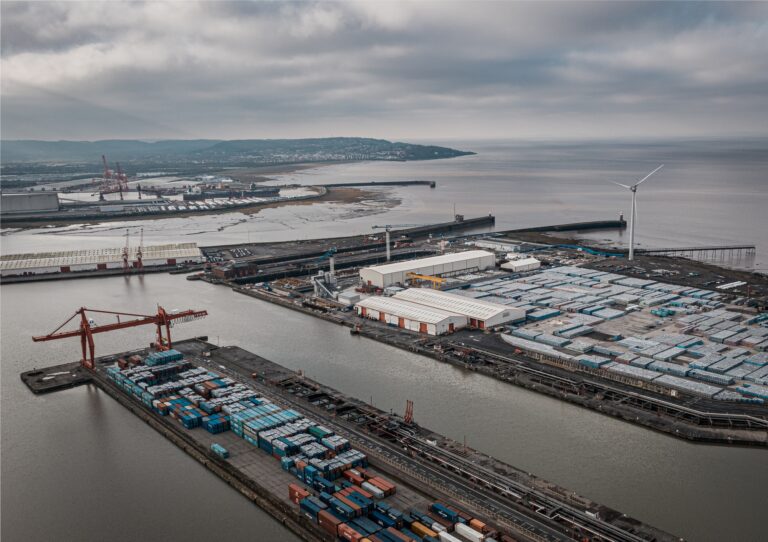
Our economy isn’t perfect. Infrastructure bottlenecks are a significant challenge for Indonesia's economic growth. The biggest challenge is logistics costs. Shipping a container from Jakarta to Papua is often more expensive than shipping it to Singapore due to our geography.

Indonesia's current account deficits and exposure to external shocks make the economy vulnerable to global commodity price fluctuations. The country has faced economic shocks in the past, such as the Asian Financial Crisis, which had a major impact on financial, social, and political stability, but also led to important reforms.

Maintaining a low budget deficit is crucial for Indonesia's economic stability, helping to manage public debt and fund infrastructure projects. The Indonesian Rupiah has faced depreciation pressure, which may continue toward late 2026, affecting import costs and inflation.

The unemployment rate is another key indicator, reflecting changes in the labor market and its relation to overall economic growth.

Social and regional inequality

Development is still very Java centric. Eastern parts of Indonesia often lag behind in terms of infrastructure and economic access.

Dependence on commodities like palm oil

Because we rely heavily on palm oil and coal, our economy gets a “fever” whenever global commodity prices drop. The current account deficit is expected to widen only modestly, but a further decline in commodity prices could exacerbate this by driving down export revenues.

Domestic prices in Indonesia are also sensitive to fluctuations in currency value and energy prices, which can lead to inflationary pressures and impact the cost of goods within the country.

Impact on the community

For a beginner, these challenges mean that prices can vary wildly between islands, and job opportunities outside of Java might not be as plentiful yet. Indonesia's labor market is characterized by a significant portion of low value added job creation, with real wage growth lagging behind. Indonesia's economic growth has remained at around 5 percent, but this has been accompanied by weakening real wage growth and only modest investment growth. Slow productivity growth has become a limiting constraint on Indonesia's economic growth, and the country has the lowest rate of productivity growth among Asian peers, particularly in the manufacturing sector. Improvements in public services, such as infrastructure, healthcare, and education, are crucial for supporting economic growth and enhancing social well being across communities.

What Indonesia Economic Means for Beginners and Daily Life

How the economy affects prices and jobs

If economic growth slows down, companies usually freeze hiring or even start layoffs. Conversely, when the economy grows, career paths open up. Changes in real wages during these periods directly affect household income and living standards, influencing consumer spending and overall well being.

Despite periods of rapid growth, poverty and income inequality have persisted in Indonesia, impacting various regions and populations. The government has implemented the Omnibus Law on Job Creation to simplify regulations, attract foreign investment, and stimulate job creation, although its impact on Indonesia's investment climate has yet to show significant improvement. The Omnibus Law aims to reduce deterrence to foreign investment by streamlining business licensing processes and environmental standards, but its benefits may be undermined by the Import Substitution Strategy (ISS), which seeks to reduce imports by up to 35 percent through local content requirements and increased tariffs. This tension between the Omnibus Law and the ISS can affect the overall effectiveness of broader reform efforts.

Government fiscal policy, including increased spending on social programs and infrastructure creation, plays a crucial role in supporting economic growth, job creation, and social development, especially during challenging economic periods.

Impact on career opportunities

Growth in the digital sector means more jobs for data scientists or digital marketers. Growth in manufacturing means more opportunities for technicians.

Influence on investments and small businesses

Understanding economic trends helps you decide: Is now a good time to start a business, or is it safer to keep your money in a savings account?

Transformative Insight #3:
The economy isn't just a number on the news; it’s a map of opportunity. Understanding the economy means knowing where the money is flowing so you can position yourself to catch it.

Simple Way to Track Indonesia Economic Trends

Simple indicators you can monitor

You don’t need to read a 100 page report. Just watch two things:

  1. GDP Growth: (Ideally 5% or higher).
  2. Inflation: (How much are prices rising? Ideally between 2-4%).

Prudent fiscal management is also crucial for Indonesia economic stability, as it helps maintain investor confidence and supports positive credit ratings.

Strengthening governance, especially in public investment, ensures that infrastructure projects are efficiently managed and deliver better growth outcomes.

To boost productivity, Indonesia focuses on strategies that improve efficiency and competitiveness across key sectors.

The Indonesian government has implemented several structural reforms aimed at long term growth, such as subsidy cuts and deregulation, though these can cause short term economic pain.

How to read economic news without getting confused

If the news says "The Rupiah is weakening," it means imported goods might get more expensive. If it says "Interest rates are rising," your motorcycle or home loans might become pricier.

Easy to access tools

The BPS (Statistics Indonesia) or Bank Indonesia websites now provide infographics that are much easier for the average person to understand.

Future Outlook of Indonesia Economic

Predictions for the next few years

Indonesia is predicted to become one of the top 5 global economies by 2045. Household spending is projected to provide a boost to Indonesia's economy during festive periods like Ramadan and Eid al-Fitr. This is driven by our “demographic bonus” where we have more young workers than retirees.

At the beginning of this growth period, Indonesia's economic performance in the first half of recent years has shown resilience. Economic growth is projected to remain robust, with GDP expected to rise as both domestic and foreign private investment play a significant role in financing development projects and driving sector specific growth. The government has introduced fiscal incentives to encourage private investment, further supporting the creation of infrastructure and social programs, as well as the creation of a sovereign wealth fund to attract more investment.

A steep increase in foreign direct investment (FDI) was recorded in 2022, with FDI surging 44.2% and significant inflows into the base metals sector. The government has set a target to draw IDR 1,400 trillion (US$95.5 billion) of investment from domestic and foreign sources for 2023, underlining the significant role of investment in Indonesia's economic development during this period.

The role of the digital economy and technology

Our future is in our smartphones. From fintech to agritech, technology will cut out the "middlemen" that have made Indonesian distribution expensive for decades.

Opportunities to seize

For young people, this is a golden age to learn digital skills or start businesses that solve distribution problems in rural areas.

Conclusion

The indonesia economic story is no longer a mystery reserved for people in suits. Simply put, our economy is a reflection of our daily lives-what we buy, what we do for work, and how we innovate.

To understand the economy is to understand opportunity. With Indonesia’s position as a leader in Southeast Asia and its massive market potential, the future of our economy is in the hands of its increasingly financially literate citizens. Keep learning, because understanding the economy is the key to making smarter financial decisions.

Read More: Understanding Indonesia’s Special Economic Zones as a Strategy to Accelerate Business Growth

Found This Insight Valuable?
Need expert guidance on ASEAN market entry?
Schedule a Consultation
About the Author
Long Nguyen
Project Manager & Legal Counsel, Viettonkin Joint Stock Company
Nguyễn Hoàng Long is a Project Manager and Legal Counsel at Viettonkin Joint Stock Company, bringing more than 10 years of hands-on experience in managing large-scale investment projects, particularly in the construction sector. His expertise spans both business and legal dimensions, with over 5 years specializing in legal affairs for Foreign Direct Investment (FDI) projects. Long is responsible for business planning, sales, marketing, and consulting, working closely with the CEO to drive the company's strategic growth and client service excellence. In his dual role, Long leads client relations and account management, overseeing project delivery, client status monitoring, and effective debt collection processes. He is performance-driven, implementing robust reporting systems and tracking team performance to achieve business objectives. As Viettonkin’s in-house legal counsel, Long also provides crucial legal guidance, ensuring that all projects comply with Vietnamese regulations and international best practices. His well-rounded experience, leadership, and commitment to transparency guarantee that clients receive strategic, reliable, and comprehensive support throughout every stage of their project.

Related Insights

Importance for Business: Corporate Bank Account in Indonesia

Setting up a corporate bank account is the next crucial step after building a successful business. Businessmen in Indonesia have a wide selection of choices where they can put their money since the country has the most developed financial sector. These include state-owned, private, and foreign banks that offer different services to corporations in meeting […]
Read Article →

Tax Reporting in Singapore

Singapore is cited as the leading example of countries that continue to reduce corporate income tax rates and also introduce various tax incentives in attracting and keeping global investments.  The two important factors that Singapore contributes to the economic growth and foreign investments are the lowest effective tax rates and the business friendliness across the […]
Read Article →

Danantara Indonesia: Charting a New Course for Growth, or Navigating Risky Waters?

Ever wonder how dynamic markets like Indonesia are shaping the future of foreign direct investment (FDI) and manufacturing? A new entity, Danantara Indonesia, has certainly captured my attention, and it’s a development that investors and business leaders should be watching closely. With over two decades of guiding businesses through the vibrant, and at times complex, […]
Read Article →

Comparing Taxation: Vietnam & Thailand

In the realm of international business and investment, a comprehensive understanding of the taxation systems in Vietnam and Thailand is indispensable. As both countries vie for global attention, the distinctions in their tax systems, tax rates, and tax structures carry immense weight in the choices made by businesses and investors. From corporate income tax to […]
Read Article →
Your Guide to Investing in Indonesia: Get the Comprehensive eBook

Indonesia is emerging as one of Asia's premier destinations for foreign direct investment (FDI), offering outstanding growth potential within a dynamic economy. To succeed, investors require a deep understanding of the local landscape, from its regulatory framework to market-specific opportunities.

This comprehensive eBook serves as your strategic guide to navigating Indonesia's investment environment. It provides an in-depth analysis of high-potential sectors, including the digital economy, green energy, and opportunities arising from the new capital city, Nusantara. This guide also outlines crucial legal considerations, new visa policies, and proven strategies for successful market entry.

Download the eBook now to equip yourself with the expert insights and actionable knowledge needed to invest in Indonesia with confidence.

Your Guide to Investing in Indonesia: Get the Comprehensive eBook

Indonesia is emerging as one of Asia's premier destinations for foreign direct investment (FDI), offering outstanding growth potential within a dynamic economy. To succeed, investors require a deep understanding of the local landscape, from its regulatory framework to market-specific opportunities.

This comprehensive eBook serves as your strategic guide to navigating Indonesia's investment environment. It provides an in-depth analysis of high-potential sectors, including the digital economy, green energy, and opportunities arising from the new capital city, Nusantara. This guide also outlines crucial legal considerations, new visa policies, and proven strategies for successful market entry.

Download the eBook now to equip yourself with the expert insights and actionable knowledge needed to invest in Indonesia with confidence.

Download E-Book

About Us

Founded in 2009, Viettonkin Consulting is a multi-disciplinary group of consulting firms headquartered in Hanoi, Vietnam with offices in Ho Chi Minh City, Jakarta, Bangkok, Singapore, and Hong Kong and a strong presence through strategic alliances throughout Southeast Asia. Our firm’s guiding mission is aimed towards facilitating intra-ASEAN investments and connecting investors in Southeast Asia with the rest of the world, thus promoting international business relationships and strengthening inter-nation connections.
Contact
Email: 
info@viettonkin.com.vn
Phone Number: 
+84 977093166
Support
FAQ
Subscribe to our insights to look at the critical issue that your business is facing and stay ahead of the competition in a rapidly changing world.
Subscription Form
img linkedin
Viettonkin Consulting Logo © 2026 - Viettonkin JSC
arrow-up