
Thailand’s position as the world’s 12th largest food exporter, the so-called “Kitchen of the World”, is well-established. Its food export industry generated USD 52.2 billion in 2024, anchored by Thai cuisine staples including coconut milk, canned fruit, sauces, and processed food ingredients exported worldwide to over 170 countries. Yet for Thai food manufacturers seeking entry into the world’s fastest-growing food segment, one strategic gap is becoming harder to ignore: halal certification reach. In Thailand Malaysia halal food manufacturing, the bilateral opportunity is sharpening. Malaysia’s JAKIM certification unlocks access to 57 OIC member states and over 5,400 product categories. The case for Thai food manufacturers to relocate halal production to Malaysia is increasingly grounded in evidence.
Malaysia’s Halal Food Market: The USD 9.8 Billion Export Platform Thailand Manufacturers Need
A Market Shaped by Government Policy and Trade Infrastructure
Malaysia’s halal food economy is a functioning global export machine, underpinned by consistent government investment and a formal trade development framework. The country recorded RM 43 billion (approximately USD 9.8 billion) in certified halal food exports in 2024 and is tracking toward a government-set RM 100 billion target by 2030. The Halal Industry Development Corporation (HDC) and MIDA jointly manage Malaysia’s halal trade promotion and inbound investment facilitation, supported by 17 dedicated halal industrial parks across 10 states. The sector contributes RM 74 billion (approximately 553 billion baht) to Malaysia’s gross national income, a figure that reflects national economic commitment rather than sector aspiration.
Food and Beverage Production Capacity Driving Halal Export Growth
Malaysia’s halal food and beverage production sector is expanding at 8.4% CAGR through 2030, outpacing Thailand’s halal food export growth of approximately 6% over the same period. The ASEAN halal food market, valued at USD 415 billion, is effectively anchored by Malaysia’s certification and production infrastructure. A food product manufactured and JAKIM-certified in Malaysia reaches GCC countries, North Africa, and Central Asia under a single recognised label, a production base advantage no other ASEAN country replicates at this scale. MIDA’s approved food manufacturing investment pipeline reached RM 8.4 billion in 2024, reflecting active capital deployment across high-value halal food and beverage production categories.
Why Thailand Food Manufacturers Are Choosing Malaysia for Halal Production
From Trade Partner to Production Base: The Bilateral Opportunity
The structural pull factors for Thai food manufacturers are threefold: certification scope, market access, and production infrastructure. Bilateral food and agricultural trade between Thailand and Malaysia reached USD 4.2 billion, the commercial corridor on which production relocation decisions are being built. Thai food exporters already supplying Malaysian distributors with canned fruit, coconut milk, sauces, and processed food ingredients increasingly recognise that establishing JAKIM-certified manufacturing capacity in Malaysia converts an export relationship into a durable supply chain position. For a Thai food exporter with an established trade relationship in Malaysia, the move from export supplier to in-country halal food manufacturer is an evolution of the same commercial logic, not a departure from it.
Malaysia’s Food Safety Standards and What Thai Exporters Must Know
Thailand’s food manufacturing sector operates to internationally recognised food safety standards, IFS, BRC, FSSC 22000, and HACCP, and its CICOT halal certification covers over 14,000 companies and 160,000 products. However, Malaysia has updated its food safety regulations to impose stricter documentation, quality assurance protocols, and labelling standards on all food importers, including Thai exporters. These regulatory changes raise the compliance bar for continued access to Malaysian retail and consumer market channels. For Thai food manufacturers, establishing in-country production in Malaysia resolves this standard compliance risk structurally, removing it as a recurring cost-and-lead-time burden on every export shipment into the Malaysian market.
The Infrastructure Pull: Malaysia’s 17 Dedicated Halal Industrial Parks
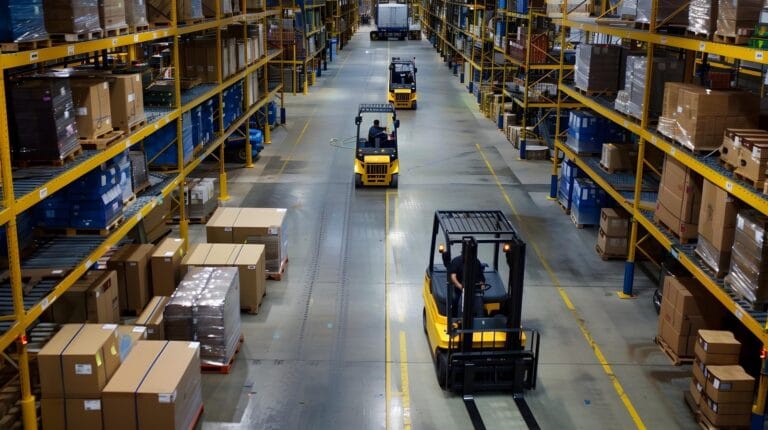
Malaysia’s 17 dedicated halal industrial parks are a material production advantage that no competing ASEAN country replicates at comparable scale. Distributed across Selangor, Johor, Penang, and eight other states, these facilities provide purpose-built, halal-segregated manufacturing environments with on-site JAKIM audit access, halal-compliant logistics, and integrated cold chain infrastructure. For Thai food companies producing coconut milk, canned fruit, sauces, and other processed food products, operating within a certified halal industrial base significantly reduces the cost and timeline of JAKIM certification compared to retrofitting an existing facility. The average greenfield food processing facility set up within Malaysia’s halal parks achieves first JAKIM-certified production within 18 to 24 months of land acquisition.
JAKIM vs Thai Halal Certification: Why Malaysia’s Standard Unlocks More Markets
Halal Standard Comparison: Where Global Recognition Differs
The operational question Thai food companies ask is direct: why pay the cost of relocating production if CICOT certification is already internationally recognised?
The answer is market-specific recognition and the institutional trust embedded in JAKIM across high-value OIC trade destinations. JAKIM certification covers 5,400 product categories and carries formal recognition across 57 OIC member states. In key halal food export markets, Saudi Arabia, the UAE, Qatar, Egypt, and Pakistan, JAKIM is the benchmark standard against which import compliance is assessed at the consumer goods and food distribution level. A JAKIM-certified food manufacturer in Malaysia encounters minimal documentation barriers in these markets. A CICOT-certified Thai food exporter shipping an identical product may face bilateral verification requirements that add cost and lead time at every export cycle. The distinction is not about halal quality, both represent rigorous frameworks, but about the network effect of Malaysia’s 30-year halal diplomacy programme and its OIC reference economy status, which no other country in ASEAN has been able to replicate.
Key Products, Ingredients, and Processing Categories Covered by JAKIM
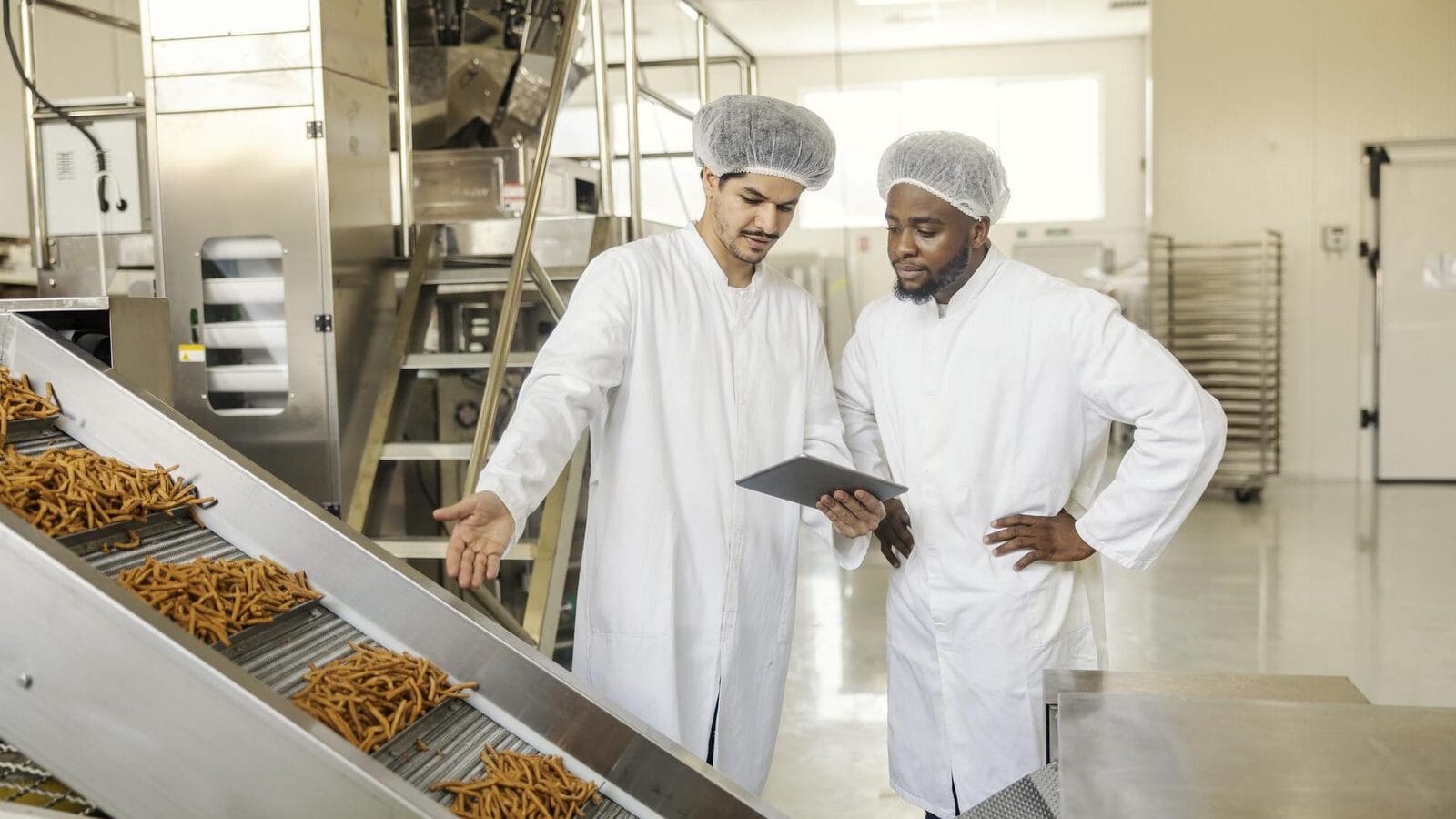
JAKIM certification applies across virtually all food and beverage product categories relevant to Thai food manufacturers. This includes processed sauces and condiments, coconut milk and coconut-based beverages, canned fruit and tropical produce, food ingredients and flavouring compounds, ready-to-eat meals, snack foods, and plant-based products. Thai food manufacturers already producing these categories to CICOT halal and international food safety standards are well-positioned to transition production to a JAKIM-certified Malaysian facility with minimal product reformulation. HACCP compliance, a standard prerequisite in Thailand’s food manufacturing and food processing sector, is directly compatible with JAKIM’s food safety requirements and is formally recognised within the JAKIM certification audit framework.
How Thailand Food Companies Are Navigating the JAKIM Process
The certification pathway for a foreign food manufacturer establishing a new facility in Malaysia follows a structured sequence. The company registers a Malaysian legal entity, secures MIDA investment approval, eligible for Pioneer Status or Investment Tax Allowance incentives for qualifying food manufacturing categories, and aligns its factory layout and processing operations to JAKIM’s halal food safety and physical segregation standards before requesting a pre-production audit. Certification review typically takes three to six months. MIDA’s Food and Beverage Investment Unit and HDC’s Global Business Division offer direct investor support services throughout each stage, including regulatory compliance facilitation and connection to the Malaysian government departments overseeing halal standard administration.
The Thailand Food Companies Already Relocating to Malaysia
OEM, Private Label, and Brand Manufacturing in a Certified Halal Base
Three categories of Thai food company are actively evaluating or executing Malaysia production moves. Large FMCG multinationals using Thailand as a regional manufacturing base are examining Malaysia’s halal parks as a secondary production node for OIC-market food export. Thai-domestic halal food manufacturers in the sauce, snack, beverage, and processed food categories are exploring OEM and private label manufacturing arrangements with established Malaysian halal food factories, a lower-capital entry route that offers JAKIM certification access without a greenfield investment commitment. Thai food ingredient and coconut milk suppliers are evaluating Malaysia as a co-manufacturing base enabling JAKIM-certified reformulation of products already traded through Malaysian distribution channels.
Foreign Food Manufacturers: What Malaysia’s Investment Pipeline Shows
MIDA’s RM 8.4 billion approved food manufacturing investment figure includes a growing share of foreign food manufacturers drawn by Malaysia’s halal standard infrastructure, government incentive framework, and export market access. The Johor-Kuala Lumpur economic corridor and the Penang food manufacturing cluster are the lead destination zones for new market entrants. Companies setting up in Johor benefit from proximity to Singapore’s international trade logistics infrastructure; those in Penang access northern Malaysian distribution networks and established food processing capacity. The year-on-year increase in foreign food manufacturer applications to MIDA’s halal food investment programme reflects the growing international recognition of Malaysia as the most capital-efficient production base for global halal food export.
How to Relocate Halal Food Production to Malaysia: A Practical Entry Guide
Production Setup, Government Support, and Regulatory Compliance
Thai food manufacturers evaluating a production move to Malaysia should structure the process in six steps: identify the appropriate halal industrial park via MIDA’s investment facilitation service; register a Malaysian company and apply for MIDA investment approval; design the factory layout in compliance with JAKIM’s halal food safety, processing segregation, and quality management standards; apply for JAKIM halal certification pre-production; engage MATRADE to map post-certification halal food export markets; and establish distribution partnerships with Malaysian halal food trade partners for domestic consumer market access alongside the international export programme.
Consumer Market Access and Worldwide Export Reach via Malaysia
The post-certification opportunity is the key commercial rationale for the production relocation decision. A JAKIM-certified food manufacturer based in Malaysia can serve the domestic Malaysian consumer market, export worldwide to 57 OIC member states under Malaysia’s recognised halal standard, and access the USD 1.9 trillion global halal food market through Malaysia’s MATRADE international trade promotion network. For Thai food companies that built their international reputation in the Kitchen of the World, Malaysia’s halal platform is the most direct route to making that reputation count in the markets where halal certification standard recognition matters most.
Malaysia’s Halal Platform Is a Long-Term Structural Advantage
Malaysia’s status as the world’s most internationally recognised halal food production jurisdiction is the product of 30 years of institutional investment, in JAKIM’s certification architecture, HDC’s global trade network, and a government masterplan targeting RM 100 billion in halal food exports by 2030. For Thai food manufacturers, the operative decision is how quickly a company can move through the JAKIM process and into the global export markets that Malaysia’s regulatory standing unlocks.