
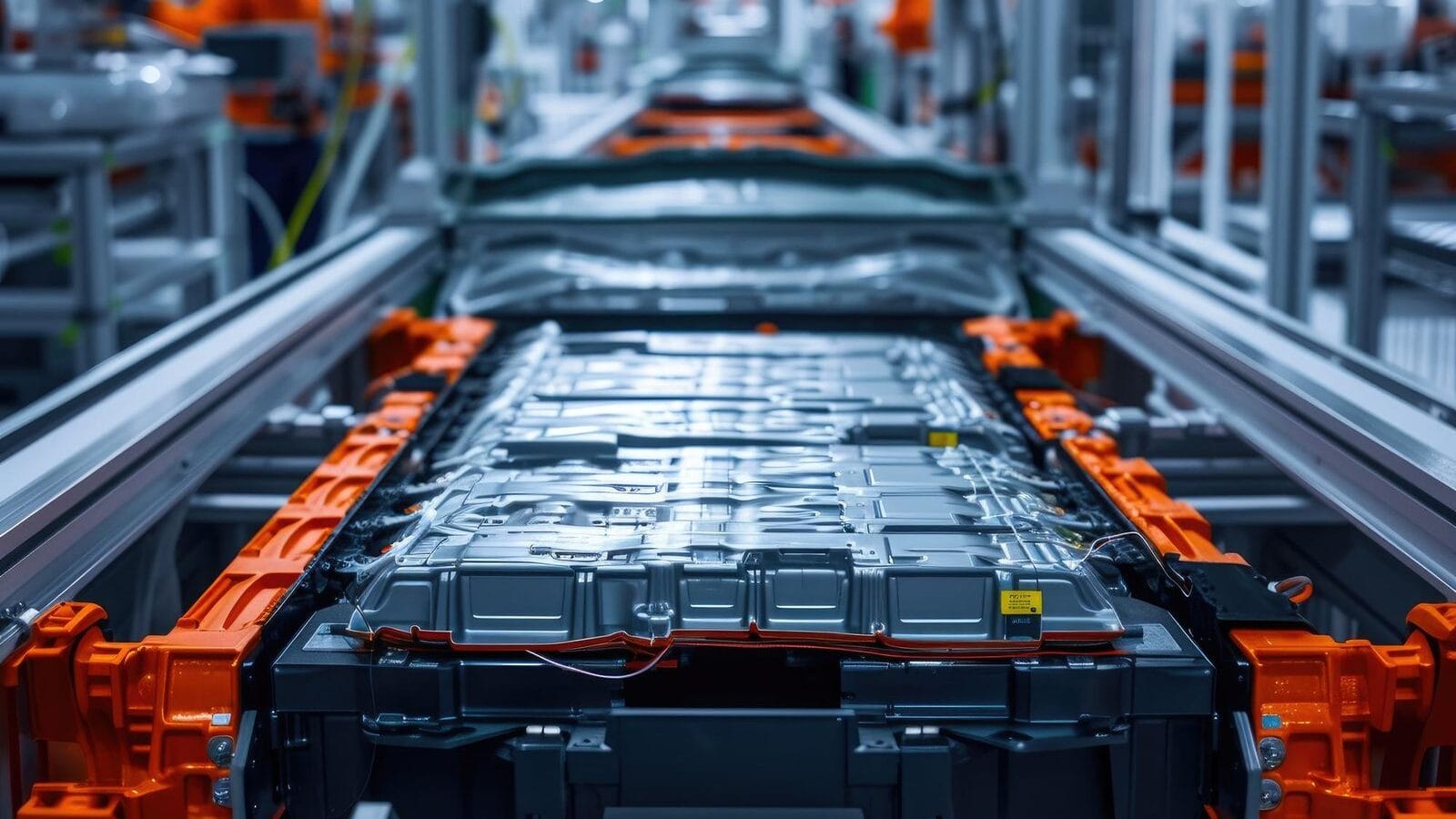

Vietnam’s clean energy investment incentives now constitute the most comprehensive green tax framework in Southeast Asia. The government has assembled a layered incentive package spanning corporate income tax holidays, special consumption tax reductions, import duty exemptions, land use concessions, a 200% R&D super-deduction for clean technology development, and fast-track investment licensing, all targeting the EV supply chain and renewable energy sector simultaneously.
The scale of the commercial opportunity justifies the attention. Vietnam’s EV market is valued at USD 3.12 billion in 2025 and projected to reach USD 7.41 billion by 2030 at a CAGR of 18.88%. The revised Power Development Plan 8 (PDP8) targets 183–236 GW of total installed power capacity by 2030, with wind and solar development accounting for 130–160 GW. Total electricity production reached approximately 322.8 billion kWh in 2025. For EV suppliers, renewable energy project developers, and the clean energy consultants advising them, Vietnam’s net-zero investment strategy is a fully resourced, incentive-backed commercial market.
Vietnam’s Net-Zero Policy Commitments: The Strategic Foundation
National Energy Targets That Define the Investment Timeline
Vietnam’s energy transition is anchored by binding national commitments under its Nationally Determined Contribution (NDC). The country targets net-zero carbon emissions by 2050 and has embedded specific sector milestones into national law: all new urban public buses must use electric or green energy from 2025; 50% of urban vehicles must be electric by 2030; 100% of road vehicles must run on electricity or green energy by 2050.
These national targets are already producing regulatory action at city level. From July 1, 2026, Hanoi banned fossil fuel motorcycles and mopeds within Ring Road 1, a live energy transition enforcement event creating immediate compliance and consulting demand. The ban extends to Ring Roads 1 and 2 from January 1, 2028, expanding the addressable market for EV transition advisory services.
The PDP8 Power Development Pipeline
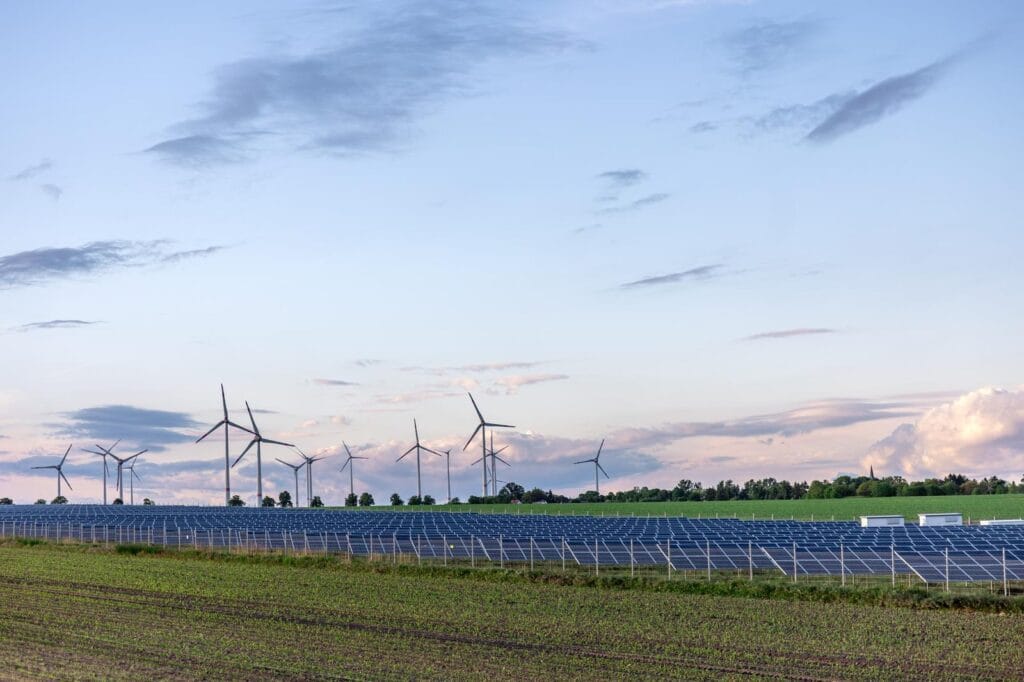
Vietnam’s revised Power Development Plan 8, approved in 2025, is the investment roadmap for the national energy transition. Total installed power capacity must reach 183–236 GW by 2030. Offshore wind development alone is targeted at 6 GW by 2030 and 70–91.5 GW by 2050. Wind and solar project development represents the dominant growth pathway across the power development plan.
Total installed energy capacity stood at approximately 87.6 GW by end of 2025, with renewable energy accounting for 27.9% of the mix. Wind and solar projects contributed approximately 24.45 GW, while coal fire power remained at 32.1%, a proportion the power development plan is designed to reduce decisively through the 2026–2030 investment cycle.
For institutional investors and clean energy consultants quantifying the energy project opportunity: PDP8 represents hundreds of billions of dollars in renewable energy project investment across solar, wind, offshore wind, storage, and grid modernisation through 2030.
The Complete Tax Incentive Stack for Clean Energy Investors
CIT Incentives for Renewable Energy Projects Under Decree 96/2026
Under Decree 96/2026/ND-CP and Law 67/2025/QH15, green energy and renewable energy projects qualify as priority investment incentive sectors. The standard CIT holiday for qualifying clean energy investment projects provides a 4-year full CIT exemption followed by a 9-year 50% CIT reduction, applied at a preferential 10% CIT rate for 15 years. The standard CIT rate is 20%.
Large-scale offshore wind, solar project development, and clean energy storage projects approved by the Prime Minister may access extended incentive periods. The maximum CIT incentive period for special investment renewable energy projects is not fixed, the Prime Minister can extend the preferential 10% rate by up to 15 additional years for qualifying strategic energy projects.
The fast-track investment procedure under Articles 46–50 of Decree 96 applies to renewable energy projects in industrial zones, high-tech parks, and concentrated digital technology zones, targeting a 15-day IRC issuance and bypassing traditional construction, environmental clearance, and fire prevention appraisal processes.
The 200% R&D Super-Deduction for Clean Technology Development
Clean technology R&D qualifies for the 200% super-deduction under Article 9(a1) of Decree 320/2025/ND-CP. EV battery technology development, energy storage systems, green manufacturing process innovation, wind and solar energy efficiency improvements, and digital energy management platform development are eligible activity categories under Vietnam’s science, technology, and innovation law framework.
The combined CIT incentive effect for a clean energy investor developing both a renewable energy project and associated R&D is significant: zero CIT on qualifying energy project income during the holiday period, plus an additional 100% deduction on qualifying clean technology R&D costs that reduces the taxable income base in post-holiday years.
Import Duty Exemptions for Clean Energy Manufacturing
Foreign investors in EV manufacturing and renewable energy project development qualify for import duty exemptions on goods imported to create fixed assets. These cover manufacturing equipment, efficient power conversion systems, and specialised technology not available domestically. Import duty exemptions also apply to manufacturing inputs and components where local equivalents are unavailable, highly relevant for offshore wind component supply chains, EV battery pack assembly, and solar project equipment procurement.
Land Use Incentives for Energy Projects
Land use fee exemptions and reductions apply to enterprises developing environmental protection infrastructure, renewable energy facilities, and eco-industrial parks under Decree 08/2022/ND-CP (amended by Decree 05/2025/ND-CP). Land rent reductions based on energy project scale and location apply throughout Vietnam, with projects in designated difficult socio-economic areas and national energy development priority zones accessing the deepest land use concessions.
EV-Specific Incentives: The Full Stack
Special Consumption Tax: 1–3% vs 35–50%
Vietnam’s Special Consumption Tax Law 2025 (effective January 1, 2026) applies differentiated SCT rates to electric and green energy vehicles. Battery-powered EVs face SCT rates of 1–3% until February 2027, compared to 35–50% for equivalent gasoline and diesel vehicles. Hybrid vehicles with gasoline representing 70% or less of total energy use are taxed at 70% of the comparable ICE SCT rate. Vehicles running entirely on biofuels pay 50% of the equivalent ICE rate.
Registration Fee Exemption and EV Cost Reduction
The 100% registration fee exemption for battery-powered EVs extends through 2027. Following the full exemption period, buyers pay 50% of the registration fee applicable to gasoline vehicles for two additional years. This policy structure materially reduces total cost of ownership for commercial fleet operators, the primary B2B EV procurement segment, and directly accelerates the national EV adoption trajectory.
Charging Infrastructure Investment and EV Power Tariffs
The government has set a preferred EV charging electricity tariff of 2,204 VND/kWh, with potential electricity subsidies for public charging station operators. The national target of 150,000 public EV charging stations by 2030 creates a clearly quantified infrastructure development programme. For foreign investors in EV power delivery and energy management systems, charging infrastructure development offers recurring electricity revenue, government-supported rollout targets, and lower capital intensity than vehicle manufacturing.
Renewable Energy: DPPA and Corporate Green Power Procurement
Decree 57/2025 and the Direct Power Purchase Agreement
Decree 57/2025/ND-CP established Vietnam’s Direct Power Purchase Agreement (DPPA) framework, enabling corporate buyers to purchase renewable electricity directly from solar and wind energy generators without full grid intermediation. For clean energy consultants advising multinational corporations on Vietnam ESG strategy, DPPA is the mechanism that makes credible corporate green energy procurement viable, directly connecting corporate electricity use to specific renewable energy projects.
Rooftop solar systems may sell up to 20% of their electricity generation to the grid under Decree 57. Decree 58/2025 governs broader rooftop solar project development, grid connectivity requirements, and investor selection procedures for new capacity additions.
Corporate Renewable Energy Sourcing Strategy
Vietnam’s total installed renewable energy capacity of approximately 24.45 GW makes it large enough to support meaningful corporate procurement volumes. The DPPA framework, combined with PDP8’s 183–236 GW expansion target and the government’s energy transition commitment, positions Vietnam as a credible renewable energy procurement market for multinationals establishing or expanding manufacturing operations in the country.
Efficient renewable energy procurement under DPPA requires understanding both the electricity market mechanics (kilowatt-hour pricing, grid balancing rules, generation curtailment risk) and the regulatory compliance framework (Ministry of Industry and Trade approval, power purchase agreement structure, and connection agreement with EVN).
EV Supply Chain Investment: Opportunity by Segment
Where the 69% Value Concentration Lies
Market analysis identifies the after-sales segment, covering EV retail, leasing, after-sales services, and EV charging software management, as accounting for approximately 69% of the total EV ecosystem value in Southeast Asia. For institutional investors and PE firms evaluating Vietnam’s EV sector, this segment offers capital-efficient entry: lower manufacturing capex, recurring energy and service revenue, and direct exposure to accelerating consumer EV adoption driven by SCT and registration fee incentives.
The Manufacturing and Component Supply Chain Opportunity
Major players, VinFast, BYD, Hyundai, Geely, and Wuling, are expanding Vietnam EV manufacturing capacity, creating upstream demand for EV battery components, power electronics, thermal management systems, and EV energy management software. The Geleximco-Chery joint venture, representing VND 8 trillion in new energy vehicle manufacturing investment, signals the scale of incoming EV supply chain demand across component, materials, and technology subsegments.
For EV component and technology suppliers, the complete incentive package, CIT holidays on qualifying energy project income, import duty exemptions on manufacturing equipment, the 200% R&D deduction for EV battery technology development, and fast-track investment licensing under Decree 96, applies comprehensively across manufacturing, components, energy systems, and technology layers.
How Viettonkin Supports Clean Energy and EV Investors
For EV supply chain companies, renewable energy project developers, and clean energy consultants navigating Vietnam’s investment incentive framework, on-the-ground FDI advisory expertise covers full eligibility assessment across CIT holidays, import duty exemptions, R&D deduction qualification, DPPA procurement structuring, land use incentive applications, and fast-track investment licensing for energy projects. Viettonkin’s Vietnam market entry and tax advisory services provide investment structure design, incentive eligibility assessment, and IRC registration for clean energy and EV investment projects across all sectors.
Frequently Asked Questions
What CIT Incentives Apply to Renewable Energy Projects in Vietnam?
Green energy and renewable energy projects qualify as priority investment sectors under Decree 96/2026 and Law 67/2025. Qualifying energy projects receive a 4-year full CIT exemption and 9-year 50% CIT reduction at a preferential 10% rate for 15 years. Special investment renewable energy projects may receive extended incentive periods at Prime Minister discretion.
What Is the EV Special Consumption Tax Rate in Vietnam in 2026?
Battery-powered EVs face SCT rates of 1–3% under the Special Consumption Tax Law 2025 through February 2027, versus 35–50% for equivalent gasoline vehicles. Hybrid vehicles pay 70% of the comparable ICE SCT rate.
Can Foreign Investors Claim Import Duty Exemptions on EV and Renewable Energy Equipment?
Yes. Foreign investors in EV manufacturing and renewable energy project development qualify for import duty exemptions on manufacturing equipment, efficient energy conversion technology, and components not available domestically, under the standard investment incentive framework.
What Is DPPA and How Does It Work for Corporate Energy Buyers?
The Direct Power Purchase Agreement (DPPA) under Decree 57/2025 allows corporates to buy renewable electricity directly from solar and wind energy generators. It enables multinationals in Vietnam to procure green energy for manufacturing operations, supporting ESG targets and managing electricity cost exposure, at tariffs agreed directly with renewable energy project developers.
What Is Vietnam’s Renewable Energy Capacity Target Under PDP8?
The revised Power Development Plan 8 (PDP8) targets 183–236 GW of total installed power capacity by 2030, with wind and solar project development accounting for 130–160 GW. Offshore wind development targets 6 GW by 2030 and 70–91.5 GW by 2050.