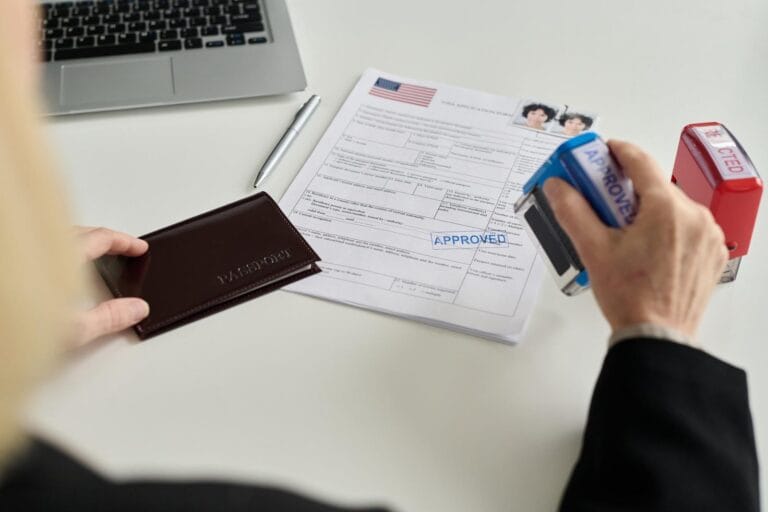


Vietnam’s social insurance framework changed significantly in 2026. The Social Insurance Law 2024 (Law 41/2024/QH15), effective July 1, 2025, overhauled contribution rules, benefit entitlements, and enrollment scope. Decree 158/2026/ND-CP tightened the contribution base from July 2026, requiring employers to include previously excluded allowances in SHUI calculations. The Employment Law 2025, effective January 1, 2026, expanded unemployment insurance coverage to workers on fixed-term contracts of one to three months. Decree 293/2025/ND-CP raised regional minimum wages by 7.2% from January 1, 2026.
For foreign employers operating in Vietnam, these four concurrent changes create material non-compliance risk where payroll systems were calibrated under the prior rules and have not been reviewed. This guide provides the compliance audit framework to identify and correct those gaps before a VSS inspection does.
Vietnam SHUI Rates and Contribution Structure in 2026
Employer and Employee Contribution Rates
Social insurance in Vietnam operates through a three-component SHUI system, Social Insurance (SI), Health Insurance (HI), and Unemployment Insurance (UI). The total mandatory contribution rate is 32% of the employee’s monthly salary base, split between employer and employee.
| Fund Employer Employee Total | |||
|---|---|---|---|
| Social Insurance (SI) | 17.5% | 8.0% | 25.5% |
| Health Insurance (HI) | 3.0% | 1.5% | 4.5% |
| Unemployment Insurance (UI) | 1.0% | 1.0% | 2.0% |
| Total SHUI | 21.5% | 10.5% | 32.0% |
Foreign employees pay SI and HI at the same rates as Vietnamese employees under Article 2 of the Social Insurance Law 2024. Foreign employees are exempt from unemployment insurance contributions. The work permit is a prerequisite for foreign employee enrollment in SI and HI, a worker without a valid work permit cannot be registered. Under the updated law, foreign employees under labor contracts of 12 months or more are subject to mandatory social insurance, provided they have not reached statutory retirement age and are not internal company transferees covered by bilateral treaty provisions.
The Contribution Cap and Reference Level
The SI and HI contribution base is capped at 20 times the reference level. The reference level stands at VND 2.34 million in 2026, placing the SI and HI cap at VND 46.8 million per month. For UI, the cap is 20 times the applicable regional minimum wage, up to VND 106.2 million depending on the region. Employers must apply these caps correctly. Both under-applying and over-applying the cap creates reconciliation exposure during VSS audits.
The Four 2026 Regulatory Changes Every Foreign Employer Must Address
Change 1, Decree 158/2026: Contribution Base Tightening
The most commercially significant 2026 change is the tightening of the SI contribution base under Decree 158/2026/ND-CP. Many employers have historically structured compensation packages to exclude allowances from the SHUI base, reducing total contributions but creating retroactive exposure under audit. From July 2026, the following payments must be included in the contribution base where paid regularly:
- Housing allowances and employer-provided accommodation subsidies
- Phone and communication subsidies
- Transport and fuel allowances
- Meal allowances exceeding the statutory non-taxable threshold
- Responsibility allowances paid as part of the standard monthly package
- Fixed monthly bonuses paid as contractual entitlements
The following remain excludable: irregular bonuses including Tet and 13th-month payments made at the employer’s discretion, performance-linked commissions tied to individual output, one-off project completion payments, and genuine expense reimbursements with supporting documentation.
This inclusion boundary is the highest-priority audit item for 2026. Employers who have excluded housing or phone allowances from the SHUI base must recalculate contributions from July 2026 and assess retroactive exposure for prior periods. From January 1, 2026, enterprises must also register workers’ social insurance information electronically, failure to do so within the prescribed term constitutes a separate administrative violation.
Change 2, Decree 293/2025: Minimum Wage Increase
Decree 293/2025/ND-CP raised regional minimum wages by 7.2% from January 1, 2026. The four-tier regional structure remains in force: Region I at VND 5.31 million per month, Region II at VND 4.71 million, Region III at VND 4.12 million, and Region IV at VND 3.71 million. The minimum wage functions as the floor for SI contribution bases, no employee’s contribution base may fall below the applicable regional minimum. Foreign employers operating across multiple provinces must confirm that their payroll system applies the correct regional rate for each work location.
Change 3, Employment Law 2025: Expanded UI Coverage
The Employment Law 2025, effective January 1, 2026, extended unemployment insurance coverage to workers on fixed-term labor contracts of one to three months. Previously, this workforce segment was excluded from UI enrollment. Employers must now enroll short-term contract workers and contribute UI at 1% employer and 1% employee on applicable wages. The change is most material for manufacturers and service operators using high volumes of short-term contract staff, a common staffing model among FDI enterprises in Vietnam’s industrial zones.
Change 4, PIT Personal Deduction Increase
The personal income tax personal deduction increased to VND 15.5 million per month in 2026, up from VND 11 million. The dependent deduction increased to VND 6.2 million per registered dependent. These changes affect net salary calculations and PIT withholding obligations. Payroll systems still applying the prior VND 11 million deduction are over-withholding PIT, creating an administrative burden for employees during annual PIT finalisation.

The Payroll Compliance Audit Checklist for Foreign Employers
Step 1, Verify Enrollment Coverage
Confirm that every eligible employee is enrolled in SHUI with VSS. Eligible employees include all Vietnamese workers under indefinite or fixed-term contracts of one month or longer, and all foreign employees holding valid work permits under contracts of 12 months or more. From January 1, 2026, employees on fixed-term contracts of one to three months must be enrolled in UI. Audit the current employee roster against VSS enrollment records and flag any gaps, including workers whose contract term was recently extended into the mandatory enrollment range.
Step 2, Audit the Contribution Base Against Decree 158/2026
Review every component of the monthly payroll package against the Decree 158/2026 inclusion criteria. Identify any allowances currently excluded from the SHUI base that are paid regularly as contractual entitlements. Calculate the revised contribution base for each affected employee from July 2026 and assess retroactive exposure for prior periods. Employers who have structured salary packages to minimise the SHUI base face the highest retroactive liability under this audit step.
Step 3, Confirm Cap Application Is Correct
Verify that the SI/HI cap of VND 46.8 million and the UI cap of 20 times the applicable regional minimum wage are applied correctly in the payroll system. Foreign employees, particularly those on expatriate packages with high base salaries, are most commonly affected by cap miscalculation. Both capping too early and capping too late create reconciliation issues during VSS and tax authority audits.
Step 4, Check Minimum Wage Compliance Across All Locations
Confirm that every employee’s SHUI contribution base meets or exceeds the regional minimum wage applicable to their work location under Decree 293/2025. Employers operating across provinces in different regional tiers must map each work location to the correct regional minimum and confirm payroll applies the right floor for each.
Step 5, Audit Foreign Employee Payroll Separately
Run a separate audit pass for all foreign workers. Confirm: each foreign employee holds a valid work permit as the enrollment prerequisite; SI and HI are contributed at the correct rates; UI contributions are not being collected from foreign employees; and PIT is being withheld based on residency status, the 20% flat rate for non-residents, or the progressive scale with the VND 15.5 million personal deduction for residents.
Step 6, Confirm PIT Withholding Uses 2026 Deduction Amounts
Verify that payroll software applies the updated personal deduction of VND 15.5 million per month and the dependent deduction of VND 6.2 million per registered dependent from January 2026. Systems applying the prior VND 11 million deduction are over-withholding, generating refund obligations during annual finalisation.
Non-Compliance Risks and Penalties
Late Payment and Underpayment Penalties
Late SHUI payment accrues a penalty of 0.03% per day on the unpaid amount from the date payment was due. There is no grace period. For employers discovering a contribution base underpayment through the Decree 158/2026 audit process, the retroactive liability includes both the underpaid contributions and accrued daily penalties from the original underpayment date.
Administrative Fines and Retroactive Collection
VSS and labor inspectorates have authority to conduct payroll audits of FDI enterprises without prior notice. Administrative fines for social insurance non-compliance reach VND 150 million for organisations. Retroactive collection typically covers the three to five years preceding an inspection. For a foreign employer with 50 employees averaging VND 5 million per month in under-declared allowances, the retroactive SHUI exposure before penalties can exceed VND 450 million, a material compliance risk that the July 2026 contribution base changes make urgent to quantify. The misclassification of employees as independent contractors under short-term arrangements also triggers full retroactive SI, HI, and UI liability when identified under audit.
Conclusion and Next Steps
Vietnam social insurance compliance in 2026 requires foreign employers to review payroll systems calibrated under the prior rules against four concurrent regulatory changes: the Decree 158/2026 contribution base tightening, the Decree 293 minimum wage increases, the Employment Law 2025 UI expansion, and the updated PIT personal deduction. The eight-step audit checklist in this guide provides the structured framework for that review. The highest-priority audit item is the Decree 158/2026 contribution base reassessment, it carries the largest retroactive financial exposure and is operative from July 2026.
Foreign employers requiring assistance with the contribution base audit, VSS inspection preparation, or payroll system recalibration can access specialist support through Viettonkin’s HR and payroll compliance advisory services.
Frequently Asked Questions
What are the penalties for late or underpaid social insurance contributions? Late SHUI payments accrue interest at 0.03% per day on the unpaid amount with no grace period. Administrative fines for organisations reach VND 150 million. VSS inspections can trigger retroactive collection covering three to five prior years.
How does the Employment Law 2025 change unemployment insurance in Vietnam? From January 1, 2026, employees on fixed-term labor contracts of one to three months are now required to be enrolled in unemployment insurance. This expands the mandatory UI scope to short-term contract workers who were previously excluded.