

Why Investors Are Watching Thailand’s Energy Transition
Thailand is currently undergoing one of the most ambitious energy transformations in Southeast Asia. For decades, the kingdom’s economic engine was fueled by domestic natural gas and imported fossil fuels. However, as domestic reserves in the Gulf of Thailand dwindle and global pressure to decarbonize mounts, the Thai government has pivoted toward a “Green Economy” model.
Investors are moving beyond a “wait-and-see” approach. The shift is no longer just about corporate social responsibility; it is about energy security and capturing the first-mover advantage in a market destined to lead the ASEAN region. With a clear roadmap toward carbon neutrality, Thailand offers a stable regulatory environment and a growing appetite for private capital in the clean energy space.
Renewable Energy Thailand at a Glance
Current Energy Thailand Landscape
Historically, Thailand’s power sector has been dominated by natural gas, which accounts for nearly 60% of electricity generation. While this served the country well during its industrial boom, rising LNG import prices and the global energy crisis have highlighted the risks of fossil fuel dependence. Currently, renewable energy accounts for approximately 15-20% of the total energy mix, a figure the government intends to double in the coming decade.
Key Renewable Energy Sources Driving Growth
The “Big Three” driving the Thai transition are:
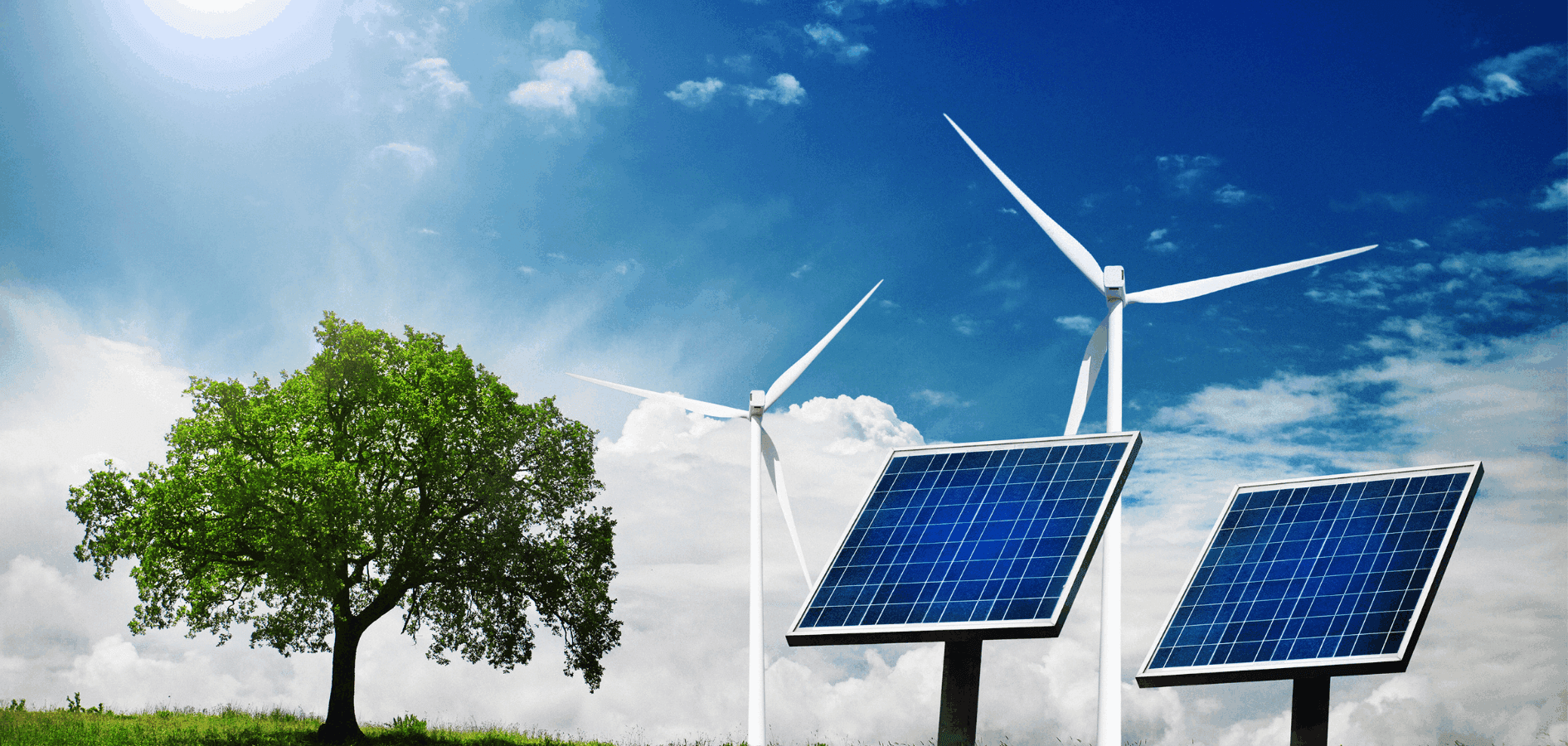
- Solar Photovoltaic (PV): Thailand boasts some of the highest solar radiation levels in the region, making solar the cornerstone of its renewable strategy.
- Wind Power: Despite moderate wind speeds, technological advancements in low-wind turbines have unlocked potential in the Northeastern and Southern corridors.
- Biomass and Biogas: Leveraging its massive agricultural sector, Thailand is a regional leader in converting sugarcane, rice husk, and waste into power.
How Thailand Renewable Energy Policy Supports Long-Term Growth
Thailand Power Development Plan (PDP) and Alternative Energy Development Plan (AEDP)
The Power Development Plan (PDP) is the North Star for the energy sector. The latest iterations (PDP 2024 and beyond) emphasize a “Low-Carbon Path,” aiming for renewables to make up more than 50% of new capacity. Complementing this is the AEDP, which provides specific targets for solar, wind, and waste-to-energy, ensuring a diversified and stable grid.
The Role of the Thai Government and EGAT
The Electricity Generating Authority of Thailand (EGAT) remains the central player, but its role is evolving from a traditional utility to a facilitator of green energy. Through the Board of Investment (BOI), the government offers significant tax breaks and import duty exemptions for renewable projects. Furthermore, the Feed-in Tariff (FiT) programs provide the revenue certainty that institutional investors require for project financing.
Energy Security and the Push Away From Fossil Fuel Dependence
By reducing reliance on volatile global LNG markets, Thailand is insulating its economy from external shocks. Strengthening domestic renewable generation creates a “dual win”: it lowers the national carbon footprint while keeping electricity prices competitive for the massive manufacturing sector that defines Thailand’s GDP.
Solar and Wind Power Are Leading Thailand Renewable Energy Expansion
Why Solar Energy Has Become the Largest Growth Segment
Solar is the “king” of Thai renewables due to falling hardware costs and rapid deployment times. Beyond rooftop solar, Thailand is pioneering Hydro-Floating Solar Hybrids on its large dams. These projects maximize land use and stabilize power output by combining solar power with existing hydropower infrastructure.
Wind Power Development Across Thailand
Wind energy is seeing a second wind. While early projects were localized, the government is now identifying new zones with high potential. Investors are looking at large-scale wind farms in provinces like Nakhon Ratchasima and Chaiyaphum, where infrastructure is already being upgraded to handle intermittent power loads.
Investment Opportunities and Challenges in Thailand’s Renewable Market
High-Growth Sectors Investors Should Monitor
- Energy Storage Systems (ESS): As renewable penetration grows, the demand for industrial-scale batteries to manage grid stability is skyrocketing.
- Grid Modernization: Investment in “Smart Grids” is essential to integrate decentralized renewable sources.
- EV Infrastructure: Thailand’s goal to become the “Detroit of Asia” for EVs requires a massive rollout of charging stations powered by clean energy.
Risks That Can Affect Renewable Energy Investment
No market is without risk. In Thailand, investors must navigate:
- Regulatory Shifts: Changes in the PDP can alter procurement timelines.
- Grid Integration: Older parts of the provincial grids may face “curtailment” issues where produced power cannot be uploaded.
- Land Acquisition: Securing the right plots for large-scale solar or wind requires deep local knowledge of zoning laws.
ASEAN Positioning and Regional Competitiveness
Thailand is positioning itself as the “Green Hub” of ASEAN. Compared to its neighbors, Thailand offers a more mature legal framework for IPPs (Independent Power Producers) and a more stable currency. This makes it the preferred entry point for international funds looking to gain exposure to Southeast Asian energy.
Can Thailand Achieve Its Low-Carbon Future?
Progress Toward Net Zero and Climate Goals
Thailand has committed to Carbon Neutrality by 2050 and Net Zero Emissions by 2065. Current trends show a massive acceleration in private sector adoption, with major Thai conglomerates (like PTT, BCPG, and Gulf Energy) shifting their portfolios heavily toward renewables.
Future Technologies Shaping the Market
Beyond solar and wind, the next decade will likely see the rise of:
- Green Hydrogen: Utilizing surplus renewable energy for industrial applications.
- Small Modular Reactors (SMRs): Though controversial, they are being discussed as a carbon-free baseload option in the long-term PDP.
What Investors Should Expect Over the Next Decade
The next ten years will be defined by decentralization. We will move away from a few massive power plants toward thousands of interconnected renewable assets. Strategic opportunities lie in “Energy as a Service” (EaaS) models and the digital platforms that will manage this complex new ecosystem.
Renewable Energy Thailand Offers Long-Term Investment Potential
Thailand’s journey toward a low-carbon future is backed by necessity, policy, and profitability. The transition from a gas-dependent nation to a renewable leader is well underway, supported by robust government frameworks like the PDP and AEDP.
For investors, the opportunity goes beyond simply “selling green electrons.” The real value lies in the integration of storage, smart grid technology, and the industrial shift toward electric mobility. As Southeast Asia’s second-largest economy, Thailand’s energy transition isn’t just an environmental goal it is the cornerstone of its future economic competitiveness. For those seeking long-term exposure to the Asia-Pacific growth story, Thailand’s renewable energy sector is a frontier that cannot be ignored.
Read more: Understanding Thailand’s Urban Planning: From Bangkok to Emerging Cities