
The Eastern Economic Corridor investment (FDI) story now includes a record USD 60.23 billion in applications for 2025, with the EEC accounting for 45 to 55% of all foreign direct investment flowing into Thailand and driving long term business growth across the zone. Yet among the legal guides, government portals, and industry publications ranking for EEC-related queries, none address the audience with arguably the clearest structural advantage: Malaysian electronics manufacturers, whose existing supply chain in Penang sits a short flight and a shared ASEAN trade framework away from the Corridor’s assembly base in Chonburi.
This guide covers what the EEC is, the smart electronics incentives available under its BOI framework, the Penang-to-Chonburi supply chain opportunity, the China-Plus-One positioning working in Malaysia’s favor, and the practical steps a manufacturer follows to enter.
What Is the Eastern Economic Corridor, and Why Electronics Manufacturers Are Watching It
Three Provinces, One Investment Zone
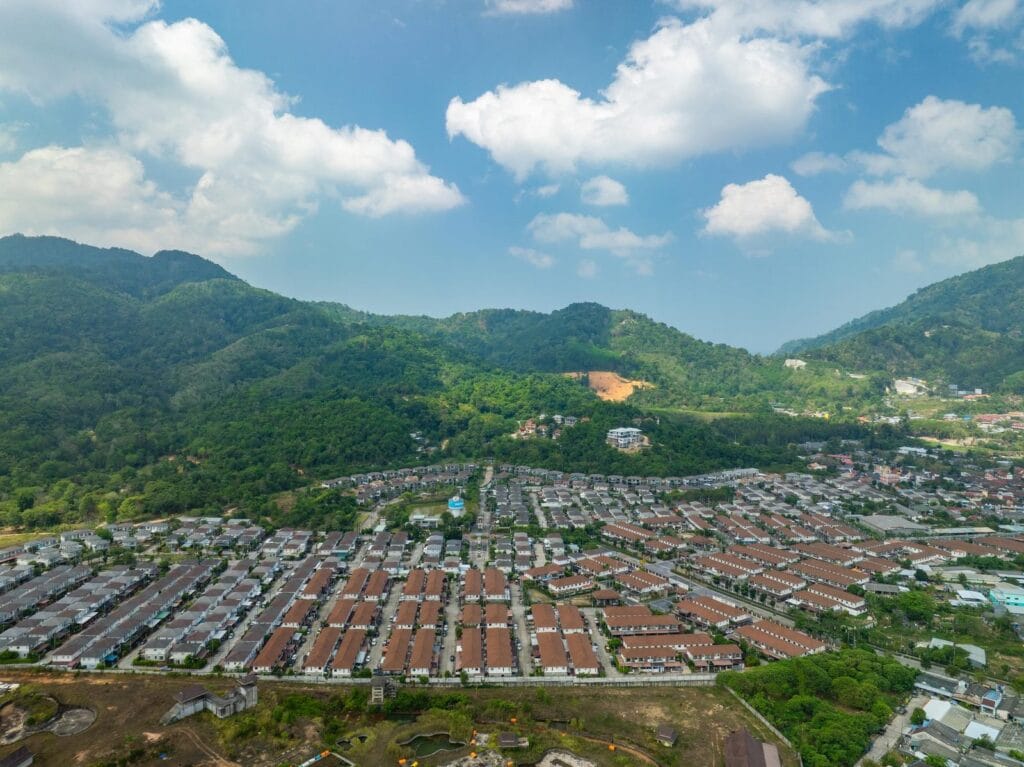
The EEC spans three eastern Thai provinces, Chonburi, Rayong, and Chachoengsao, covering a combined 13,266 square kilometers. Established in 2017 and governed by the EEC Act B.E. 2561, the zone functions as a coordinated special economic area with its own regulatory office, the Eastern Economic Corridor Office (EECO), overseeing permitting, incentives, and infrastructure planning across all three provinces rather than leaving each to operate independently. The EEC succeeded and expanded on Thailand’s earlier Eastern Seaboard industrial development strategy, extending a decades-old manufacturing base into a broader, high-tech investment policy built around innovation and sustainable industrial growth.
Where Electronics Fits: Chonburi’s Manufacturing Base
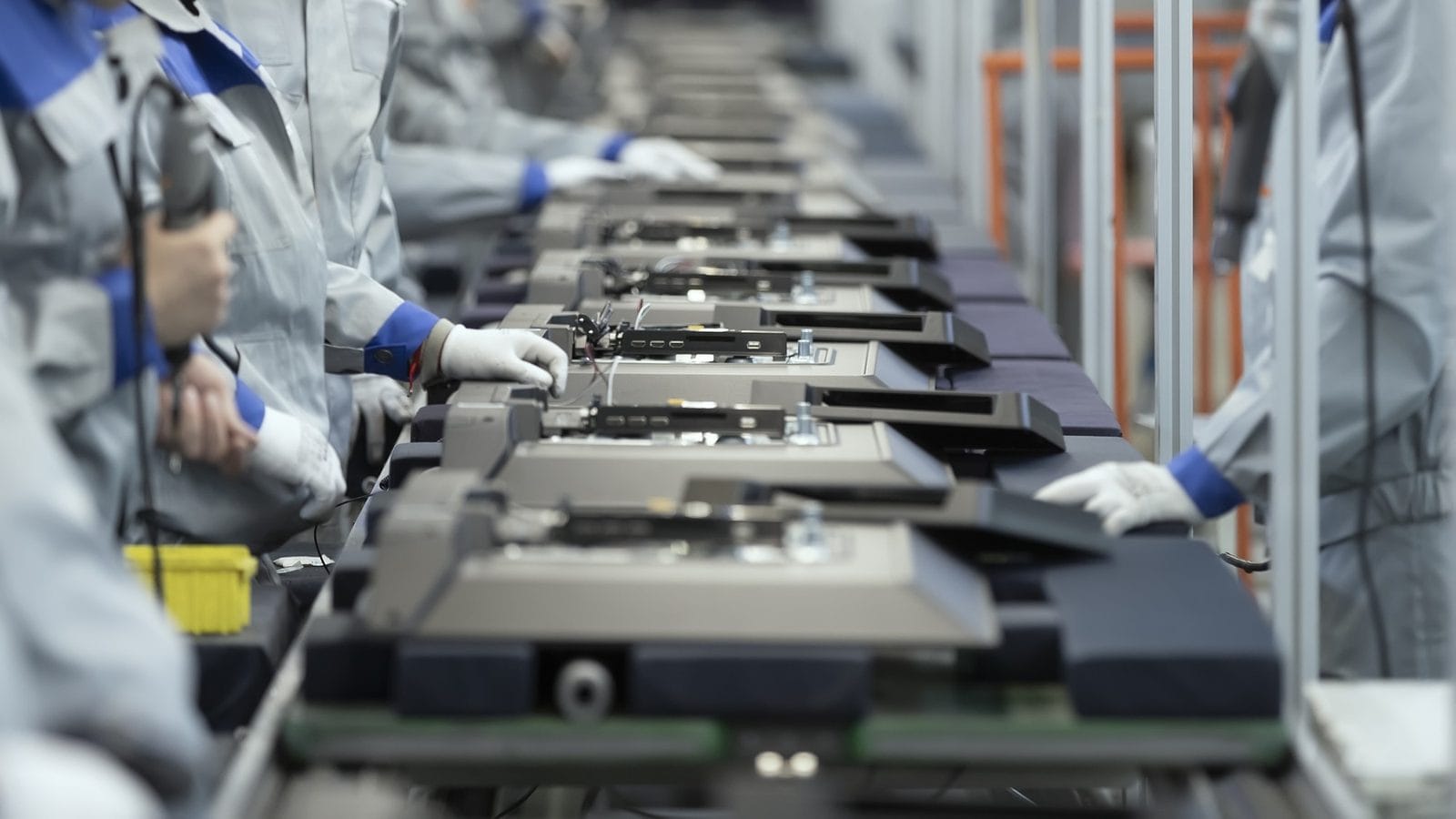
Chonburi anchors Thailand’s electronics manufacturing capacity within the corridor. The province hosts 14 industrial estates, each offering ready factory facility space, and sits adjacent to Laem Chabang, Thailand’s principal deep-water port, giving electronics exporters direct port access without inland freight delays. This existing industrial base, combined with EECO’s coordinated permitting, is a primary reason cutting-edge electronics facility investment has concentrated in Chonburi rather than dispersing across Thailand generally. Neighboring Rayong plays a complementary role, anchoring next-generation automotive and EV battery manufacturing rather than electronics.
EEC Smart Electronics S-Curve: BOI Incentives for Electronics Manufacturers
What Qualifies as Smart Electronics
Intelligent electronics is classified as a First S-Curve technology industry under Thailand’s national investment policy, covering printed circuit boards, semiconductors, display panels, LED components, and other smart electronic devices manufactured using advanced technology. This sector classification determines which BOI incentive tier a project qualifies for, and it is the primary lever Malaysian component and PCB manufacturers should evaluate first.
The Enhanced BOI Incentive Package
Projects in EEC-qualifying electronics activities can access an incentive package materially stronger than standard BOI promotion elsewhere in Thailand: up to two additional years of corporate income tax exemption on top of the standard holiday, a 50% CIT reduction for five years following the exemption period, a 17% personal income tax cap for qualifying foreign experts, Smart Visa eligibility, and land ownership rights alongside a 50-year land lease renewable for a further 49 years. Restrictions on foreign land ownership that apply elsewhere in Thailand are effectively lifted for qualifying EEC projects, a non-tax incentive that competing guides mention only in passing.
Penang to Chonburi: The Malaysia-Thailand Electronics Supply Chain
Penang is Malaysia’s established semiconductor and electronics hub, producing semiconductors, PCBs, test equipment, and consumer electronics sub-assemblies at scale. Chonburi, meanwhile, has built out Thailand’s most mature electronics assembly ecosystem. No current market analysis maps the corridor connecting these two industrial bases directly, despite the structural fit: a Malaysian firm can maintain fabrication in Penang while establishing assembly or packaging capacity in Chonburi, creating a dual-location supply chain within a single ASEAN trade framework rather than starting a Thailand operation from scratch. This positioning is available to Malaysian manufacturers in a way it simply is not to investors based outside the region.
Why Malaysian Manufacturers Have a China-Plus-One Advantage
Global electronics buyers diversifying away from single-country sourcing increasingly view the EEC as a “trusted hub”, offering stable energy supply, defined digital regulation, and a comparatively neutral geopolitical footing. Thailand maintains 17 active free trade agreements, and the ASEAN FTA network already governs Malaysia-Thailand bilateral trade, meaning Malaysian electronics manufacturers enter this China-Plus-One shift already compliant with the trade rules that other source countries are still negotiating around. That head start, paired with the Penang-to-Chonburi corridor, is the core strategic case for early entry.
Entering the EEC: A Step-by-Step Process for Malaysian Manufacturers
The practical sequence for a manufacturer follows six stages: first, assess eligibility against BOI’s promoted activity list for intelligent electronics; second, select an industrial estate, Chonburi suits electronics and PCB manufacturing given its port access and existing supplier base, Rayong leans toward EV battery and heavy industry, and Chachoengsao offers lower land costs alongside its aerospace MRO cluster; third, apply through the Economic Corridor Office’s One-Stop Service, which consolidates permitting into a single window rather than the multi-agency process required elsewhere in Thailand; Chachoengsao’s Fueng Fa project, a smart city pilot built as a new city development, illustrates the kind of forward-looking infrastructure investment underway across the zone; fourth, obtain a factory license; fifth, apply for a Smart Visa for relevant foreign staff, which grants single-entry validity up to four years without the standard 90-day reporting requirement; and sixth, begin operations.
Infrastructure Backing the Investment Case
The EEC’s infrastructure pipeline supports long-term manufacturing and export operations rather than short-term incentive-chasing, with major upgrades spanning ports, aviation, and rail all converging on the same three-province zone.
Port and Aviation Capacity
Laem Chabang port is expanding toward 18 million TEU capacity by 2027, giving Chonburi’s electronics exporters direct access to one of Southeast Asia’s principal shipping hubs. U-Tapao International Airport is undergoing a USD 6.1 billion expansion toward 60 million passenger capacity, adding passenger-friendly terminal facilities and positioning it as a genuine airport city and a major regional aviation gateway rather than a secondary regional airfield.
Railway and Regional Connectivity
A planned high-speed railway line will connect Don Mueang, Suvarnabhumi, and U-Tapao airports by 2029, cutting the Corridor’s connection to Bangkok to roughly 60 minutes and linking all three EEC provinces into a single regional transport network. This rail connectivity is a key differentiator for the seaboard region compared to other Southeast Asian investment zones, where port, airport, and city center often remain functionally disconnected. Cumulative EEC investment targets across healthcare, digital, electronics, automotive, and bio-circular-green sectors stand at 2.2 trillion baht by the end of 2026, with an annual target of 400 to 500 billion baht, figures that signal sustained government commitment rather than a short-term development push.
Government Support, Talent, and Regional Positioning
University Partnerships and Workforce Development
Thailand’s government has paired EEC infrastructure investment with a workforce development push, partnering with domestic universities and vocational institutes to build a technology-focused talent pipeline for advanced electronics manufacturing. This university-industry link matters for Malaysian firms evaluating the EEC alongside other regional sites, since skilled labor availability is frequently the binding constraint on manufacturing expansion, not capital or land.
Government Support for Foreign Investors
Beyond BOI incentives, EECO positions itself as an investor-friendly single point of contact for foreign manufacturers, coordinating government support across ministries so that a Malaysian firm’s primary relationship remains with one office rather than navigating multiple agencies independently. Combined with the region’s existing electronics supply base, this level of institutional support is a meaningful differentiator versus less centralized investment promotion elsewhere in Southeast Asia.
Frequently Asked Questions
What industries qualify for EEC BOI incentives in electronics? Intelligent electronics, including PCBs, semiconductors, display panels, and LED components, qualifies as a First S-Curve industry, unlocking the enhanced EEC incentive tier on top of standard BOI promotion.
How does the Penang-Chonburi supply chain corridor work? Malaysian manufacturers can retain component fabrication capacity in Penang while establishing assembly, testing, or packaging operations in Chonburi, operating both locations under the shared ASEAN FTA framework.
What is the Smart Visa and who qualifies? The Smart Visa is available to EEC investors and foreign experts in promoted sectors, offering single-entry validity up to four years without the standard 90-day immigration reporting requirement, alongside a 17% personal income tax cap.
How long does EEC BOI approval take through the One-Stop Service? The EECO One-Stop Service consolidates permitting, licensing, and work permit processing into a single window, offering an expedited review timeline compared to Thailand’s standard multi-agency BOI process.
Key Considerations Before Committing
A Focus on Timing and Sector Fit
Investors should focus on two questions before committing capital: whether the intended activity qualifies for First S-Curve electronics incentives, and whether Chonburi’s existing supplier base and facility availability match the scale of the intended operation. Both determine BOI eligibility and realistic setup timelines more than any single incentive line item.
Conclusion
The Corridor’s investment case rests on two factors no competing business guide currently addresses together: sector specificity in smart electronics and an audience-specific advantage for Malaysian manufacturers and investors built on geographic proximity, existing trade compliance, and a genuine dual-location supply chain opportunity. With EEC investment applications at a record high and infrastructure development continuing through 2029, the practical question for Malaysian electronics firms is less whether to evaluate the EEC and more how quickly to move on industrial estate selection and BOI application before promoted-sector competition intensifies.