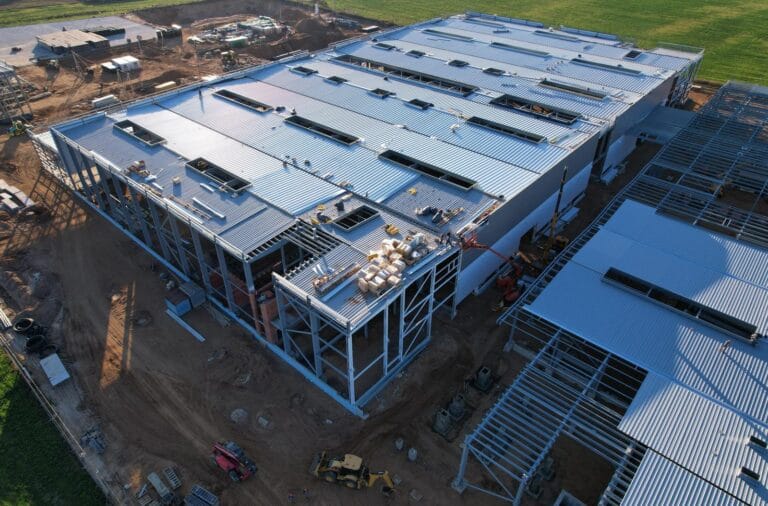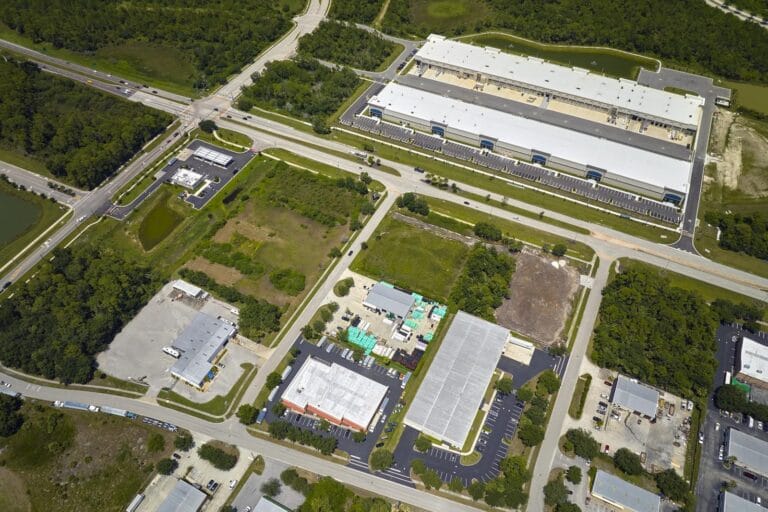
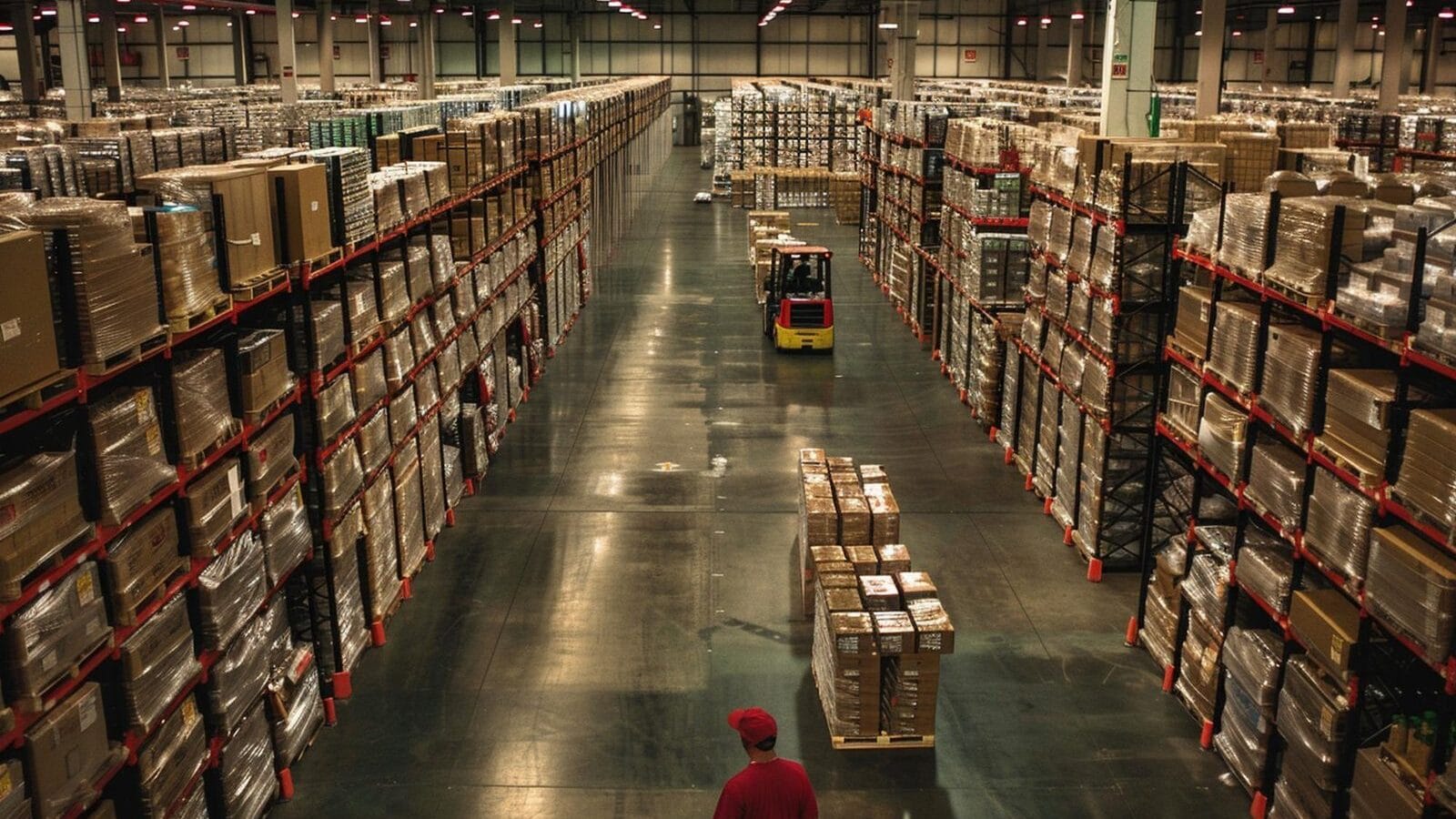

Vietnam’s industrial real estate sector is one of the highest-performing asset classes in Asia, and the Australia-Vietnam bilateral investment story is quietly gathering pace. With registered FDI reaching USD 33.7 billion and manufacturing claiming 56.5% of newly registered foreign capital, demand for industrial land, ready-built factories, and logistics warehousing is at record levels in 2026. Southern Vietnam occupancy exceeds 90%, rents are rising 3–6% year-on-year, and the global manufacturing relocation pipeline shows no sign of slowing.
Vietnam Industrial Real Estate: Market Size, Growth, and the 2026 Outlook
Occupancy, Rents, and Supply Pipeline: What the Data Shows
Vietnam’s industrial real estate market was valued at approximately USD 19.07 billion in 2025, projected to grow at a CAGR of 15.42% through 2033. In Q1 2026 alone, more than 49 hectares were leased, equivalent to 72% of the total area transacted across the whole of 2025.
Occupancy rates confirm the supply-demand imbalance. In southern Vietnam, anchored by Binh Duong, Long An, and Ho Chi Minh City, vietnam industrial parks are running at 90–91% capacity. In the north, occupancy exceeds 86% across Hanoi, Bac Ninh, Hung Yen, and Hai Phong. Industrial land rents reflect this tightness: USD 90–250 per sqm per lease term in the north and USD 185–280+ per sqm in the south. JLL projects northern rents will continue to rise at 4–6% annually, particularly in zones with direct port and expressway access. Over 600,000 sqm of new ready-built warehouse and factory supply is expected in 2026, supply that is already substantially pre-committed.
What Is Driving Demand? Electronics, Data Centres, and the China+1 Effect
The demand story has evolved well beyond simple labour-cost arbitrage. The primary growth drivers now are high-value manufacturing sectors, electronics, semiconductors, electric vehicle components, and advanced assembly, representing industries actively relocating from China under the “China+1” diversification strategy. In 2025, total FDI disbursement reached USD 38.42 billion, with real estate attracting USD 3.67 billion in newly registered capital (21.2% of all new FDI). Manufacturing and processing alone claimed USD 9.8 billion (56.5%) of newly registered foreign investment capital.
Data centres are the fastest-growing industrial sub-asset class. Vietnam’s data centre capacity stood at 524.7 MW in 2025 and is projected to reach nearly 950 MW by 2030, creating demand for power-dense industrial land near major urban centres.
Vietnam’s Logistics Market: The Engine Behind Industrial Property Demand
Third-Party Logistics, Cold Chain, and E-Commerce: Three Growth Stories
Vietnam’s logistics sector is the primary structural driver of industrial property demand, warehousing, fulfilment centres, and distribution hubs are the physical infrastructure through which the country’s logistics growth is expressed as real estate demand. The Vietnam 3PL market was valued at USD 6.35 billion in 2026 and is projected to reach USD 12.04 billion by 2031 at a CAGR of 11.30%, as manufacturers outsource warehousing, freight, and last-mile distribution to specialist operators.
Cold chain logistics is growing at an 11.8% CAGR, reaching an estimated USD 627.63 million by 2034, driven by Vietnam’s rapidly expanding food export and pharmaceutical sectors. E-commerce logistics is the fastest-moving sub-sector: USD 2.22 billion in 2025, projected to reach USD 6.35 billion by 2034 (CAGR 12.39%), supported by 2.4 billion annual e-commerce parcels growing at 30% per year. Each growth story translates directly into vietnam industrial property demand: warehouse space, cold storage, and last-mile sortation centres.
Ready-Built Factories and Warehouses: Why Speed to Market Changed the Asset Class
The premium industrial format in Vietnam in 2026 is the ready-built factory (RBF) and warehouse. Unlike greenfield industrial land, which requires 18–24 months from lease signature to operational production, ready-built facilities deliver 3–6 month setup timelines, allowing manufacturers entering Vietnam to begin production within a single financial quarter. This speed premium is priced in: ready-built rents run at USD 2.98–5.11 per sqm per month in Ho Chi Minh City and USD 2.55–4.26 per sqm per month in Hanoi, rising 3–6% year-on-year in Q1 2026.
The Best Industrial Investment Locations in Vietnam
Southern Vietnam: Binh Duong, Long An, and the HCMC Corridor
Binh Duong is Vietnam’s most mature and highest-demand industrial province, with occupancy at 91% and a well-established ecosystem of Taiwanese, South Korean, and Japanese manufacturing tenants across electronics, textiles, and consumer goods. Long An is the fastest-growing logistics and light-manufacturing hub in the south, positioned on the HCMC–Mekong Delta expressway corridor with strong recent investment in modern warehouse infrastructure. Dong Nai and Ba Ria-Vung Tau complete the southern corridor, with Vung Tau’s deep-water port the preferred location for heavy industrial and energy-related manufacturing.
Northern Vietnam: Hanoi, Bac Ninh, Hung Yen, and Hai Phong
Bac Ninh, now merged with Bac Giang following the July 2025 provincial consolidation, is the dominant northern province, anchored by Foxconn, Samsung, and Pegatron. Hung Yen and Hai Duong absorb overflow demand at more competitive rents. Hai Phong is the northern logistics anchor, deep-water port, VSIP industrial parks, and direct expressway connectivity to Bac Ninh make it the preferred distribution hub for export goods. Hanoi remains relevant for high-tech manufacturing and data centre development given its concentration of engineering graduates.
The Australian Angle: Why This Investment Story Is Gaining Momentum
Linfox and Toll: Australian Logistics Already Operating at Scale in Vietnam
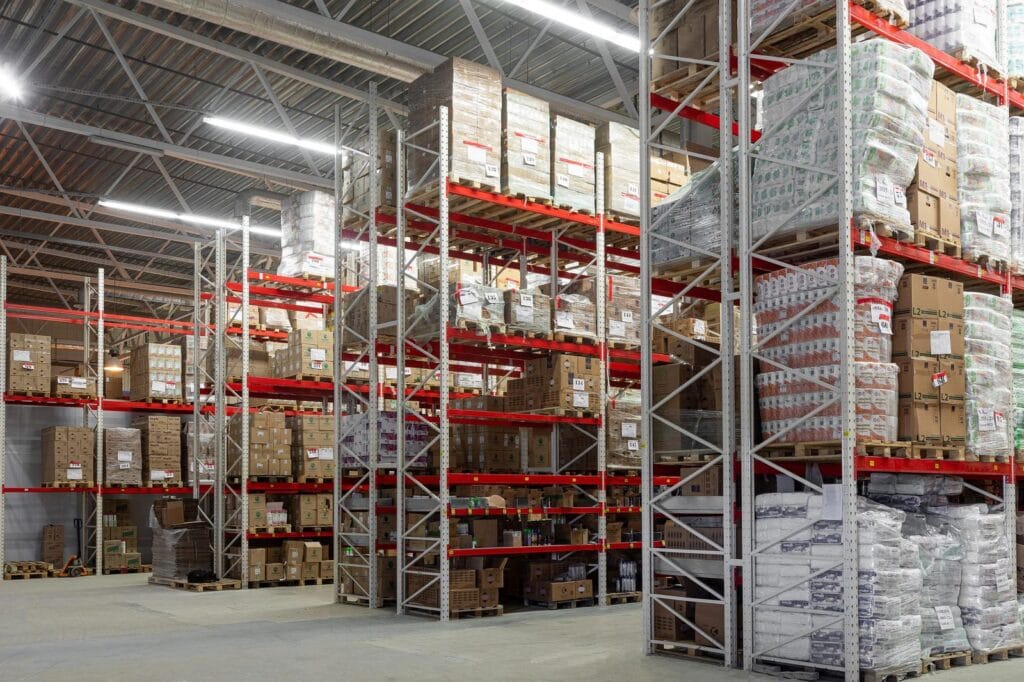
The australia vietnam investment story in industrial and logistics real estate is less prominent than Australian involvement in mining or professional services, but the operational footprint is already substantial. Linfox, Asia’s largest privately-owned logistics company, operates more than 120,000 sqm of warehousing across Vietnam with 130,000+ pallet positions and a 700-strong fleet across HCMC and Hanoi. Toll Holdings, Australia’s largest logistics provider, maintains Vietnam freight forwarding and warehousing operations as part of its Asia-Pacific network.
Both companies validate the model: Australian logistics operators can establish, scale, and sustain profitable operations within Vietnam’s industrial real estate market, a precedent that significantly de-risks the entry decision for Australian property investors and fund managers evaluating the sector.
How Foreign Investors Enter Vietnam’s Industrial Real Estate Market
Land Lease, IRC, ERC, and Ownership Structures for Foreign Industrial Investors
Foreign investors cannot own land in Vietnam, land is constitutionally state-owned, but can hold land use rights through leases of up to 50 years, renewable upon expiry and extendable to 70 years within designated priority investment zones. Industrial park land leases are typically executed through the industrial park management company rather than directly through government bodies, simplifying the process for foreign investors.
The investment registration pathway: obtain an Investment Registration Certificate (IRC) defining permitted scope and term; register the legal entity via an Enterprise Registration Certificate (ERC), most foreign industrial investors use a 100% foreign-owned LLC; then execute the land lease agreement with the relevant industrial park authority. The full process takes three to six months with qualified legal support.
How Viettonkin Supports Australian Investors in Vietnam’s Industrial Sector
Viettonkin Consulting provides market entry and investment advisory for Australian investors, property funds, and logistics operators evaluating Vietnam industrial real estate and logistics opportunities. Our work covers investment structure analysis, IRC and ERC registration, land lease due diligence, industrial park selection, and ongoing regulatory compliance.
Whether you are a property fund evaluating vietnam industrial parks for the first time, a logistics operator assessing warehouse investment, or a manufacturer considering industrial land entry, our team provides the legal and commercial intelligence to act with confidence.
Contact us at marketing@viettonkin.com.vn
Frequently Asked Questions
How big is Vietnam’s industrial real estate market?
Vietnam’s industrial real estate market was valued at approximately USD 19.07 billion in 2025, with a projected CAGR of 15.42% through 2033. In Q1 2026, over 49 hectares of industrial land were leased, 72% of full-year 2025 volume, with occupancy above 90% in southern Vietnam and above 86% in the north.
What are industrial land rental prices in Vietnam?
Industrial land rents range from USD 90–250 per sqm per lease term in northern Vietnam to USD 185–280+ per sqm in the south. Ready-built factory and warehouse rents run USD 2.55–5.11 per sqm per month depending on location, with JLL projecting 4–6% annual rent growth in the north through the medium term.
Can Australian investors own industrial property in Vietnam?
Australians, like all foreign investors, cannot own land (state-owned), but can hold land use rights through leases of up to 50 years. 100% foreign-owned enterprises are permitted for most industrial and logistics uses. The investment pathway is IRC → ERC → land lease agreement with the relevant industrial park management authority.
What is driving demand for Vietnam’s industrial real estate?
Primary drivers in 2026 are: China+1 manufacturing relocation (electronics, semiconductors, EVs); total FDI of USD 38.42 billion in 2025; e-commerce logistics growth (2.4 billion parcels, 30% YoY); and data centre expansion (950 MW capacity target by 2030). These structural trends are expected to sustain industrial property demand well into the 2030s.
Are Australian logistics companies active in Vietnam?
Yes. Linfox operates 120,000+ sqm of warehousing across Vietnam with 130,000+ pallet positions and a 700-vehicle fleet in HCMC and Hanoi. Toll Holdings provides Vietnam freight forwarding and warehouse services. Both validate the australia vietnam investment model and demonstrate that Australian operators can sustain profitable large-scale logistics operations in the Vietnamese industrial market.
Viettonkin Consulting is a Vietnam-focused investment and legal advisory firm. This article is for informational purposes only and does not constitute legal advice. Consult qualified legal counsel before acting on any of the information contained herein.