
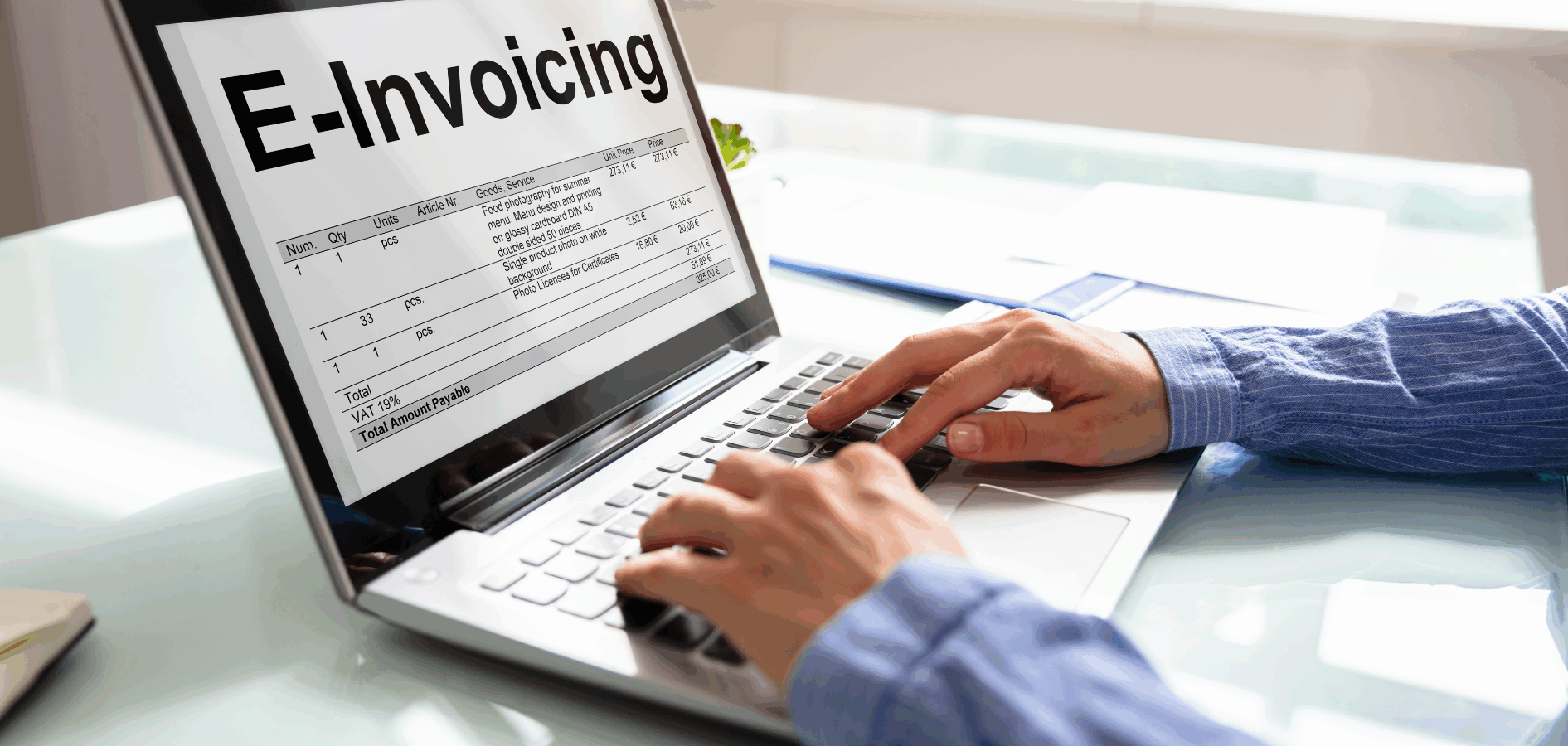

Malaysia e invoice requirements are an important consideration for businesses preparing to manage digital transactions, tax reporting, and financial records in 2026. The Inland Revenue Board of Malaysia (LHDN), also known as the Inland Revenue Board of Malaysia (IRBM), introduced electronic invoicing in phases to improve tax administration and transaction transparency.
For business owners, accountants, and finance teams, understanding the applicable regulation is only the first step. Businesses must also determine whether they are required to comply, choose a suitable system, and establish a reliable process for issuing and validating invoices.
This guide explains how electronic invoicing Malaysia works, the latest implementation requirements, and the practical steps businesses can take to prepare.
What Is Malaysia E Invoice and How Does It Work
A Malaysia e invoice is a digital representation of a transaction between a supplier and a buyer. Unlike a conventional PDF or paper invoice, an electronic invoice contains structured data that can be submitted to LHDN for validation through the MyInvois system.
The system supports business-to-business (B2B), business-to-consumer (B2C), and business-to-government (B2G) transactions.
What information does an electronic invoice contain
An electronic invoice generally includes the issuer’s identification details, buyer information, invoice number, transaction date, item descriptions, quantities, prices, applicable tax, and total amount.
The required fields depend on the transaction type and applicable guidelines. Businesses should ensure that customer records, supplier details, and tax information are accurate before submission.
How MyInvois validates an invoice
The MyInvois platform checks submitted data against applicable requirements. Once validation succeeds, the issuer receives a validated invoice and a unique identification reference.
The issuer can then share the validated invoice with the recipient. If validation fails, the business should review the returned error code, correct the relevant data, and resubmit where appropriate.
Importantly, a PDF generated by accounting software is not automatically a validated electronic invoice. The underlying data and submission process must satisfy the applicable LHDN requirements.
Malaysia E Invoice Requirements and Implementation Timeline
Malaysia’s implementation schedule has changed as the government adjusted the scope and exemptions for different taxpayer groups. Businesses should therefore consult the latest official guidance rather than rely on older articles.
The published schedule includes the following phases.
| Annual turnover or revenue | Original implementation date |
| More than RM100 million | 1 August 2024 |
| More than RM25 million up to RM100 million | 1 January 2025 |
| More than RM5 million up to RM25 million | 1 July 2025 |
| Up to RM5 million | 1 January 2026 |
Important update for 2026: LHDN announced on 30 August 2026 that taxpayers with annual turnover or revenue below RM3 million are exempt from e-Invoice implementation, subject to the applicable eligibility criteria. Consequently, the original schedule must be read together with the latest exemption provisions.
How annual turnover affects eligibility
A company’s annual turnover revenue is a key factor in determining its implementation obligations. However, the calculation and applicable exemption can depend on the taxpayer’s circumstances, financial reporting history, and specific rules.
For example, a company reporting revenue of MYR2.5 million should not assume that the original January 2026 date automatically means it must implement e-Invoice. It should first verify whether it qualifies for the current exemption.
Businesses with revenue MYR3 million or above should also review the latest guidelines to establish their exact position. The annual turnover threshold is not a substitute for checking other eligibility conditions.
Check the latest tax regulation
LHDN’s general e-Invoice Guideline version 4.8 was published on 30 August 2026, while the Specific Guideline version 4.9 was published on 7 September 2026.
These documents should be the primary references for compliance decisions. Older implementation articles may not reflect the latest threshold, transitional arrangements, or transaction-specific requirements.
How to Submit an Invoice Through the MyInvois Portal
The MyInvois portal provides a submission option for businesses that do not need direct integration with their accounting software. It can be useful for eligible small businesses with relatively straightforward transaction volumes.
Step 1 — Register and obtain access
Visit the official MyInvois portal through the LHDN website. Ensure that the company and relevant representatives have the required access permissions before creating an invoice.
Step 2 — Prepare the invoice information
Gather the issuer’s tax identification details, buyer information, invoice date, item descriptions, values, and any applicable tax information.
The information must match the actual transaction and comply with the relevant data requirements.
Step 3 — Create and submit the invoice
Enter the transaction details into the portal and review the information carefully. Click the relevant submission action to send the invoice for validation.
Step 4 — Check the validation result
Review the submission status. If the invoice is validated, retain the unique reference and share the validated invoice with the buyer. If it is rejected, follow the reported error details and correct the underlying issue.
Step 5 — Maintain supporting records
Keep the validated invoice, supporting documents, and related accounting entries according to the applicable recordkeeping requirements. A consistent process helps finance teams reconcile transactions and respond to future tax enquiries.
Choosing an Electronic Invoicing System for Your Business
Businesses with higher transaction volumes may benefit from connecting their existing accounting system or enterprise resource planning (ERP) platform to the electronic invoicing infrastructure.
A suitable system should reduce manual work while ensuring that invoice data remains accurate and traceable.
Portal, API, or accounting software integration
The MyInvois portal is an option for businesses that prefer manual submission. An API integration may suit organisations that need automated data exchange between internal applications and LHDN. Integrated accounting software can also help synchronise invoices, customer records, and financial reports.
Before choosing an implementation method, evaluate transaction volume, staff capacity, system compatibility, support availability, and total cost.
Structured data and file formats
Electronic invoicing relies on structured data rather than only visual documents. Depending on the supported interface and technical specifications, data may use XML or JSON formats.
Businesses should verify the accepted format, mandatory fields, validation rules, and authentication requirements in the current technical documentation. A file that looks correct to a person may still fail automated validation if its structure or values are incorrect.
What about SQL Account and Peppol
Businesses using SQL Account should check the relevant product documentation and available integration options before deciding how to connect their accounting workflow to MyInvois.
The same principle applies to companies considering the Peppol network. Peppol can support interoperable electronic document exchange, but businesses must confirm whether a particular provider and configuration satisfy Malaysia’s applicable submission requirements. Do not assume that using Peppol alone automatically fulfils every local compliance obligation.
Practical Steps to Improve Compliance
Successful implementation requires more than submitting invoices. Companies need clear ownership, reliable data, and documented procedures.
First, assign responsibility for creating, checking, submitting, and reconciling invoices. Second, review customer and supplier master data for incomplete or inconsistent tax identification details. Third, test the submission workflow before relying on it for routine transactions.
Businesses should also establish a procedure for rejected invoices, cancellations, credit notes, and debit notes. Staff need to understand which action is appropriate for each situation rather than simply issuing a replacement document.
Finally, monitor official LHDN announcements and review changes to the relevant guidelines. A short monthly compliance review can help identify recurring errors and prevent operational issues from becoming larger problems.
Frequently Asked Questions
Is every company in Malaysia required to use e-Invoice?
No. Requirements depend on the latest implementation rules, turnover thresholds, and applicable exemptions. Businesses should confirm their status against the current LHDN guidance.
Does a PDF invoice count as an electronic invoice?
Not automatically. A conventional PDF may be useful for communicating transaction details, but it is not necessarily an e-Invoice validated through the required process.
Can a small business use the MyInvois portal?
Yes, the portal provides a submission option for businesses that do not require a direct system integration. The appropriate method depends on the company’s needs and applicable requirements.
What should a business do if an invoice fails validation?
Review the validation message, identify the incorrect or missing information, correct the data, and follow the applicable resubmission procedure. Keep the supporting records for auditability.
Conclusion
Malaysia e-Invoice implementation is both a compliance responsibility and an opportunity to improve financial processes. Businesses should verify their eligibility, understand the MyInvois validation workflow, choose a suitable submission method, and maintain accurate transaction records.
For the latest requirements, businesses should refer to the official e-Invoice implementation timeline published by LHDN and review the e-Invoice Guidelines issued by LHDN. These official resources help businesses confirm applicable implementation dates, exemptions, and compliance requirements rather than relying solely on older articles.
A well-planned approach can help businesses improve invoice accuracy, reduce manual administration, and maintain stronger tax compliance throughout 2026.
Read more: Vietnam’s Corporate Income Tax Law No. 67/2025/QH15: Key Changes and What They Mean for Businesses